

Natural wine has a way of turning dinner into a seminar. A cloudy pét-nat lands on the table, someone says “funky,” and suddenly the roast chicken seems to require a pairing thesis. We enjoy a lively bottle conversation as much as anyone, but dinner should still get eaten.
Natural, organic, and biodynamic all tell you something about how a wine came to be. None tells you whether the bottle is a razor-sharp white, a grippy orange wine, a juicy red, or something dark and brooding. That part matters much more once the plates arrive.
Here’s how to read what’s in the glass, choose food that suits it, and make natural wine pairing feel like dinner again instead of homework.
Natural, Organic, and Biodynamic Don’t Describe One Flavor
Organic is a regulated production and labeling category. In the U.S., “organic wine” and “made with organic grapes” are separate claims, with different requirements for the finished bottle.
Certified biodynamic wine begins with organic farming and adds broader standards built around the vineyard as part of a larger farm system. Natural wine is less fixed. It usually points to low-intervention farming and winemaking, but there isn’t one definition enforced everywhere.
That information can tell you a great deal about the producer’s approach. It still won’t tell you what the wine tastes like.
We’ve had pristine natural whites, stern biodynamic reds, and organic wines that could’ve walked straight out of a very traditional cellar. The farming matters. The bottle still gets its own personality.
For Food Pairing, Flavor Matters More Than the Label
Start with the part of the dish doing the loudest talking. Roast chicken with lemon and herbs wants a different wine from the same chicken under a creamy mushroom sauce. Quite often, the sauce is running the meeting.
Then look at the wine’s acidity, tannin, sweetness, body, and intensity:
Acidity cuts through fried food, cream, and salt. Tannin softens around protein and fat. Sweetness and generous fruit can calm chile heat. Body should roughly match the weight of the food. A delicate wine can vanish beside smoke, spice, or a reduced sauce.
“I’d like a natural wine” opens a very large door. “Crisp and mineral for grilled fish” or “juicy and light for mushroom pizza” gives us something useful to work with.
Farming matters, but dinner still needs a flavor description.
What to Serve With Common Natural Wine Styles

Natural wine can take almost any shape. Once you know which one is in your bottle, the pairing becomes much easier.
Pét-Nat and Other Light Sparkling Wines
Pét-nat often arrives ready for snacks. Bubbles and lively acidity are terrific with fried food, oysters, salty cheese, brunch dishes, and the little plates that appear before anyone admits dinner has started.
The category can still surprise you. We’ve opened pét-nats that were dry and sharply citrusy, others that were fruity and yeasty, and a few with enough sweetness to change the pairing entirely.
Taste before trusting a quiet piece of seafood to an especially outspoken bottle.
Crisp Whites
A lean, high-acid white is difficult to upset. Shellfish, white fish, goat cheese, green herbs, salads, and creamy vegetable dishes all make sense.
Richer whites can move toward roast poultry, butter, mushrooms, and fuller sauces. A broad, textured Chardonnay and a saline Muscadet may both be white, but they shouldn’t be handed the same dinner assignment.
White is a color, not a weight class.
Dry Rosé
Dry rosé earns its place when dinner refuses to pick a lane. It can move between charcuterie, tomato sauces, grilled vegetables, roast chicken, and moderate spice.
Pale, delicate rosés tend to pair better with lighter food. Darker versions with more fruit and structure are much happier around smoke, herbs, and richer sauces.
The shade tells you something, but never quite enough.
Orange and Skin-Contact Wines
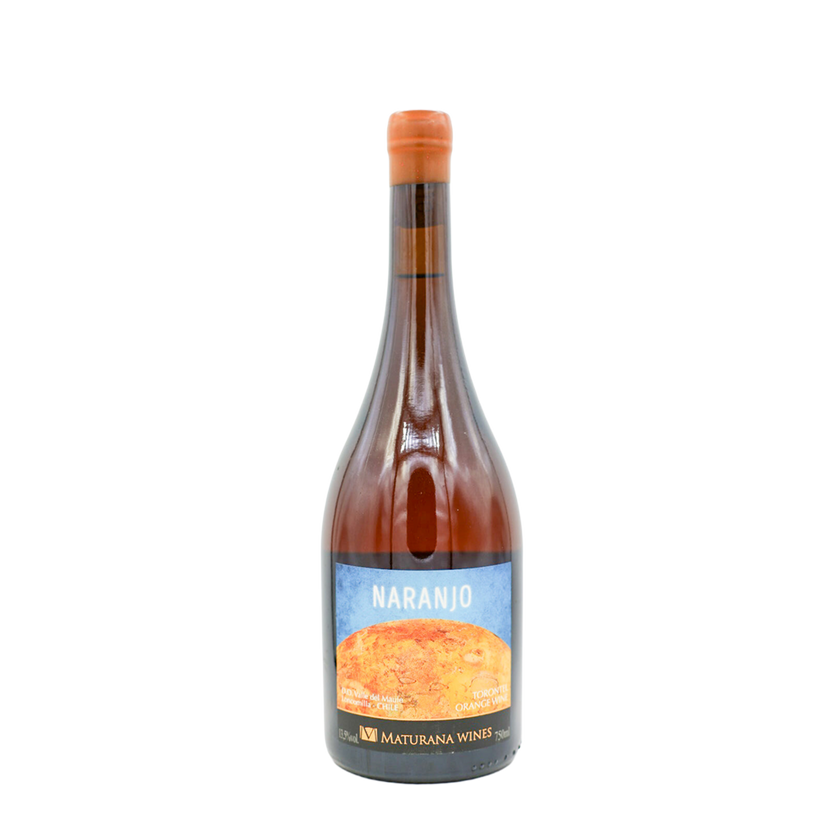
Skin contact gives white grapes tannin, texture, and often a more savory register. That opens the door to roasted vegetables, mushrooms, hard cheese, richer poultry, curries, and warm spices.
A light, floral orange wine can be graceful and almost delicate. A deeply colored, grippy one may want dinner with sharper elbows.
Treating all orange wine as one flavor misses most of what makes the category interesting.
Juicy Reds That Take a Chill
Fresh reds with bright acidity and modest tannin are joyful with salmon, pizza, charcuterie, lentils, mushrooms, roast chicken, and grilled vegetables.
Twenty or thirty minutes in the refrigerator can bring the fruit and freshness into better focus. Don’t bury the bottle in ice. Too much cold can mute the very character you bought it for.
Gamay, Frappato, Cinsault, and other lighter reds can all be excellent here, though the producer still matters more than the category name.
Structured Reds
The natural wine shelf isn’t all fizz, clouds, and chillable reds. There are concentrated, tannic bottles that want braised meat, grilled dishes, beans, earthy mushrooms, and serious sauces.
Protein and fat help tannin settle into the meal. A delicate salad may simply disappear beside one of these wines, and it deserves a better evening than that.
Richer or Slightly Sweet Wines
A little sweetness can be excellent with chile heat, bold spice, salty blue cheese, or dishes carrying both heat and richness.
For dessert, the wine should be at least as sweet as what’s on the plate. Otherwise, even a lovely bottle can suddenly taste thin and severe.
Sweetness isn’t the enemy. Poor balance usually is.
When the Bottle Is Especially Funky, Savory, or Oxidative

Funk shouldn’t be a badge of honor or an automatic warning. Some natural wines bring yeasty, earthy, cider-like, bruised apple, or nutty flavors that are completely intentional and delicious.
They’re also capable of steamrolling a quiet piece of fish.
Give an outspoken bottle mushrooms, aged cheese, roasted vegetables, cured meat, or food with deep seasoning. We’ve opened enough unfamiliar wines to know that the smartest move before a dinner party is also the simplest. Taste the bottle.
Unusual can be thrilling. Sharply unpleasant or stripped of balance is another matter, and dinner shouldn’t be asked to perform a rescue operation.
FAQs
Does natural wine pair differently from conventional wine?
Not automatically. Pair according to acidity, body, tannin, sweetness, and intensity, then account for any especially wild or oxidative character.
Is organic wine the same as natural wine?
No. Organic wine follows regulated production and labeling requirements, while natural wine is a broader, informal low-intervention category.
What does biodynamic wine mean?
It generally combines organic farming with broader whole-farm practices and additional standards for how the wine is made.
What foods pair with orange wine?
Roasted vegetables, curries, hard cheeses, mushrooms, and richer poultry can all work. The more tannic and intense the bottle, the more character the food will need.
How do I choose natural wine for dinner?
Start with the sauce, richness, spice, and strongest flavor in the dish. Then choose a bottle with enough acidity, body, tannin, or fruit to meet it.
Bring the Bottle and the Dish Into Balance
Natural, organic, and biodynamic can all be meaningful reasons to choose a bottle. They just can’t finish the pairing for you. Acidity, weight, tannin, sweetness, and flavor still decide what happens once dinner reaches the table.
The question gets much easier when you stop asking what pairs with natural wine and start asking what pairs with this natural wine.
Explore the Minimal Intervention collection at Community Wine & Spirits, or tell us what you’re cooking. We’ll help you find a bottle with the freshness, weight, and personality the food actually wants.


