

One of the questions we hear all the time is why two bottles made from the same grape can sit a few feet apart and differ by $100. Sometimes the answer is in the vineyard. The slope is brutal, the yields are tiny, the sorting is tedious, and the wine sat in barrel for years before the producer saw a dollar. Sometimes you’re paying for a famous appellation, a scarce vintage, or the fact that Burgundy only made so much and the rest of the world noticed.
Usually, it’s some combination of all of the above.
In this blog, we’ll look at what genuinely adds cost to the wine, what adds prestige, and where spending more gives you more wine rather than simply a more expensive label.
Simple Reasons Some Wines Cost More
Wine gets expensive in three places:
-
In The Vineyard and Cellar: Where land, labor, low yields, barrels, and years of aging all add real cost.
-
On The Way To The Shop: Where glass, freight, taxes, importing, distribution, and retail margins take their share.
-
When The Market Gets Involved: A famous appellation, a scarce vintage, or a producer everyone wants can push the price well beyond what the wine costs to make.
Note: We’re using “premium wine” here to mean a higher-priced bottle, nothing more. The extra money may reflect better farming and more time. It may also reflect rarity, reputation, or demand.
Usually, it’s some combination that affects the price of the wine. Knowing which one you’re paying for is much more useful than assuming the expensive bottle must be the better one.
What It Costs to Produce the Wine
By the time a bottle reaches our shelf, the winery has already paid for the vineyard, the harvest crew, the cellar, the equipment, and often several years of waiting. Some of that money shows up very clearly in the glass. Some of it doesn’t.
Vineyard Location and Grape Prices
A hectare in Burgundy, Barolo, or Napa costs more because the land is scarce and everyone knows what it can produce. Farming it may also be genuinely difficult. Steep slopes don’t welcome machines, poor soils can mean tiny yields, and regional rules may limit what a grower can plant or harvest.
We love famous appellations. We also spend a great deal of time looking just beyond them. A thoughtful grower in a less celebrated region can often bring more bang for your buck because you aren’t paying quite so much for the address.
Farming, Labor, and the Number of Grapes Harvested
Hand pruning, canopy work, organic farming, several passes through the vineyard, and serious sorting all cost more than sending a machine through once and keeping nearly everything it collects.
Low yields make the math even harder. When a vineyard produces fewer usable grapes, the year’s expenses land on a much smaller number of bottles.
Brunello di Montalcino limits yields to 7,000kg of grapes per hectare, for example. That’s basically 68% of grapes that can be made into a finished wine. That doesn’t make every Brunello wonderful. It does mean there’s less wine available to absorb the cost of farming it.
Production Scale and Winemaking Choices
A winery filling enormous tanks and producing millions of cases can spread its costs very widely. A small estate fermenting individual vineyards in separate lots can’t.
Then there are wines that simply ask for more work. Traditional-method sparkling wine goes through a second fermentation and extended aging. Certain sweet wines may require several picking passes, and noble rot remains stubbornly unwilling to follow anyone’s production calendar.
None of this guarantees that you’ll prefer the result. It does explain why two bottles made from the same grapes can arrive at very different prices.
Oak, Aging, and Time Before Release
New French oak is expensive, holds relatively little wine, and takes up valuable cellar space. The wine also needs topping, monitoring, and temperature control while it sits there. Most inconveniently for the producer, a bottle aging in the cellar isn’t paying any bills yet.
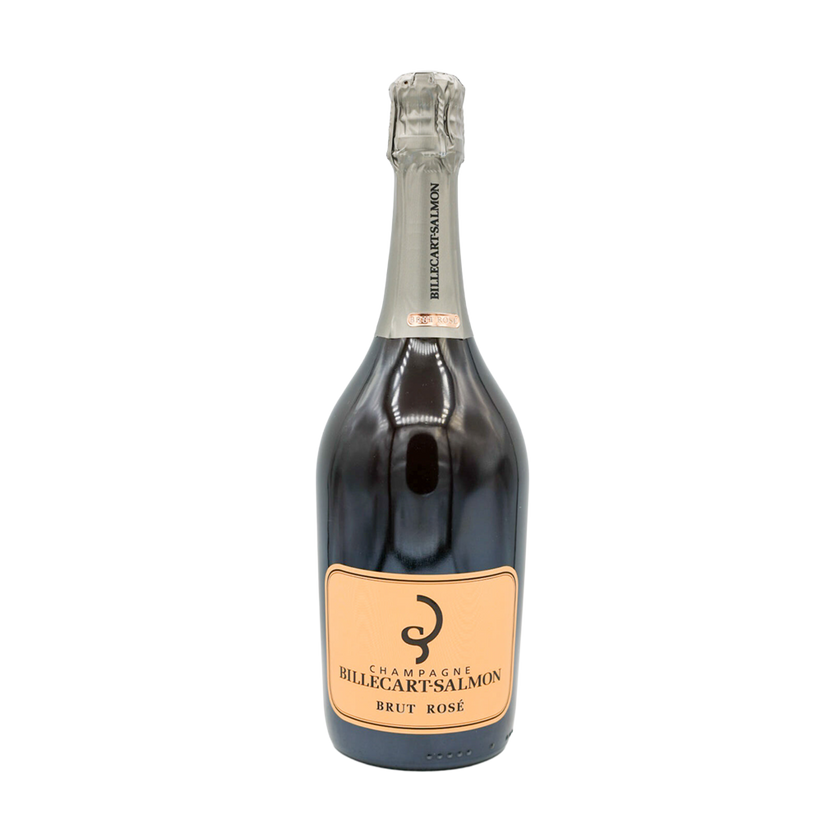
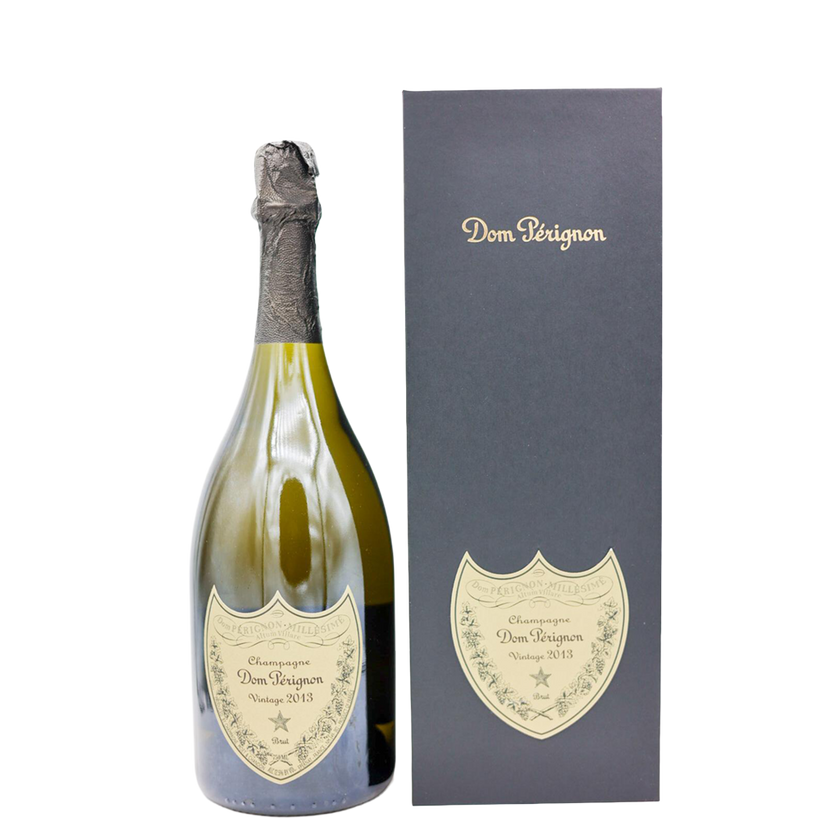
Champagne makes this point nicely. Non-vintage Champagne must mature for at least 15 months before release, while vintage Champagne needs at least three years. All that waiting can build texture, depth, and complexity.
It can also build flavors you may not especially want. We love beautifully mature wine, but more oak and more time aren’t automatic virtues. Sometimes the fresher, less elaborate bottle is the one you’d rather finish.
What It Costs to Get the Bottle Onto the Shelf

Once the wine leaves the cellar, it still has a long and expensive trip ahead. Bottles, corks or screw caps, labels, cases, storage, insurance, and freight all add up, especially when the wine has crossed an ocean to reach us.
Imported bottles usually pass through an importer, a distributor, and a retailer. Everyone in that chain has to get paid, and taxes differ depending on the wine.
Some of that cost is unavoidable. Some of it is presentation. Heavy glass, wax capsules, and elaborate boxes can be handsome, but they don’t improve the wine. We’ve opened glorious bottles in plain packaging and forgettable ones that looked like they were meant for a jewelry counter.
Why Some Wine Prices Rise Beyond Production Costs
Farming, cellar work, shipping, taxes, and margins set the starting price. After that, the market gets involved. A famous place, a tiny crop, a beloved producer, or a vintage everyone wants can push the price much further.
Region and Appellation Reputation
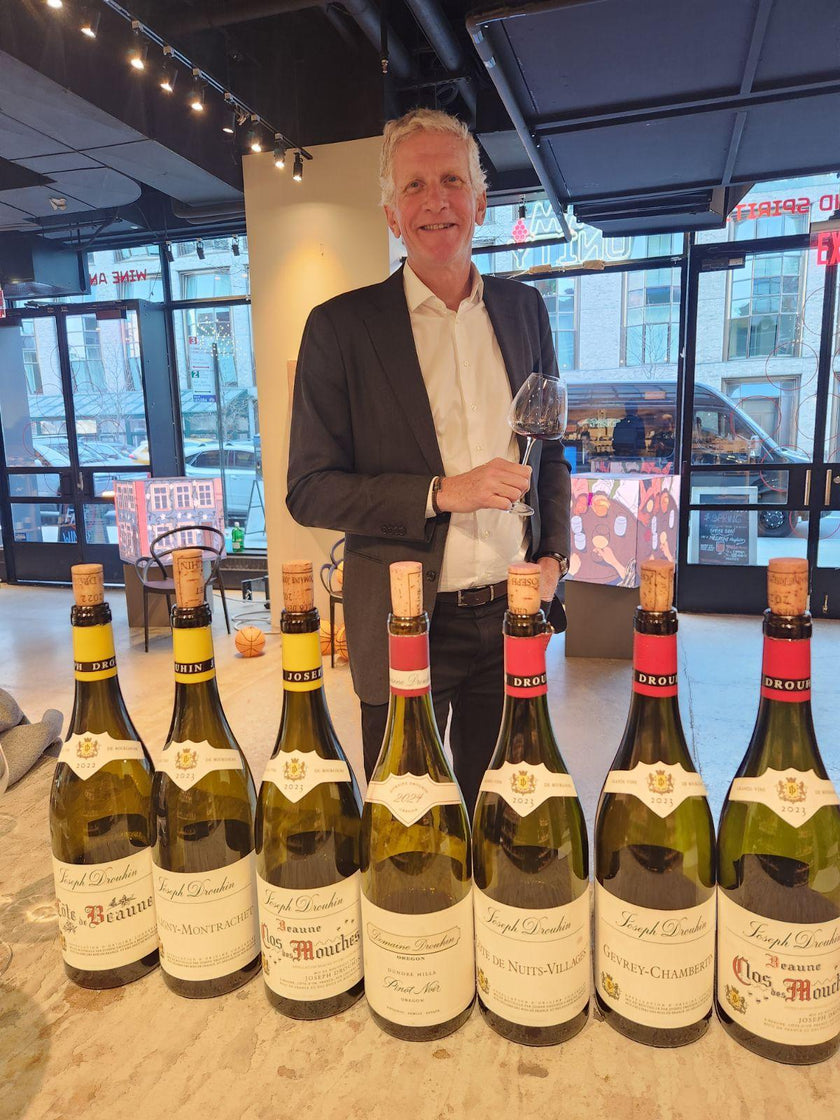
A great appellation name tells buyers something about place, rules, history, and track record. It also tells them the supply is fixed. Burgundy can’t simply plant another Côte d’Or next door when demand rises.
That reputation may reflect something real and distinctive in the wine. It can also add a considerable premium. Both things can be true. We love famous regions, but the name on the label has never guaranteed a great bottle.
Scarcity and Vintage
Frost, hail, small harvests, strict production limits, and bottles disappearing into cellars all reduce supply. Add a celebrated vintage, and prices can move very quickly.
Scarcity makes a wine harder to find. It doesn’t make it delicious. An old bottle stored badly is still a bad bottle, only now it costs more.
Producer Reputation and Buyer Demand
A producer who has delivered excellent wine for decades earns trust, and trust has value. Critic attention, restaurant lists, collector interest, and tight allocations can push demand even higher.
At the top end, buyers may be paying for access, prestige, or resale potential as much as for what’s in the glass. That’s where price and production cost often part company.
Does Premium Wine Always Taste Better?
No. More money can buy better fruit, stricter selection, more careful cellar work, and a wine built to age for decades. All of that matters. It still doesn’t tell you which bottle you’ll want another glass of.
The jump from badly made wine to well-made wine is often easy to taste. The jump from very good to very expensive gets much less obvious. Someone who loves fresh, lively,
low-tannin reds may be much happier with a $20 bottle than with a structured, oak-aged wine at five times the price.
We’d rather know how you like to drink than what you planned to spend. Price can explain why a bottle costs more. It can’t tell you whether you’ll finish it.
FAQs
Is premium wine always higher quality?
No. Higher prices may reflect production quality, scarcity, reputation, selling costs, or a combination of all of them.
Why are wines from famous regions more expensive?
Limited land, strict rules, established reputations, and strong demand all increase their prices.
Does aging make wine more expensive?
It can, because barrels, storage, labor, and delayed release increase the producer's costs.
Can an affordable wine still be well made?
Yes. Efficient production and grapes from less famous regions can deliver excellent value.
Are heavy bottles a sign of premium wine?
No. Elaborate packaging may cost more, but it doesn't prove that the wine inside is better.
Choose a Wine for Its Value, Not Just Its Price

Every bottle carries three layers of cost: what it took to grow and make it, what it took to get it to the shelf, and what the market decided it was worth. A useful question isn't simply "why is this expensive?" It's "Do the reasons behind this price matter to me?"
At Community Wine & Spirits, we're happy to walk you through exactly that.
Check out our Rare Finds, browse by price point, and ask the team what's actually behind any bottle that catches your eye.


