

Dry vermouth has an unfair life in many home bars. The gin gets discussed, compared, and replaced. The vermouth contributes half an ounce, goes back on the shelf, and is rediscovered months later looking nearly full and tasting like very little.
An old bottle can flatten good gin. A fresh bottle in the wrong style can pull the drink somewhere you didn’t want it to go. Dry vermouth can be citrusy, floral, Alpine, winey, bitter, or gently fruity, which is why the best dry vermouth for a Martini depends on the Martini you enjoy.
In this blog, we’ll compare five distinct dry vermouth styles, show which Martini each suits, and explain how to keep the bottle tasting alive after opening.
What Makes a Dry Vermouth Good in a Martini?
Taste dry vermouth on its own and its place in a Martini becomes obvious. Beneath the herbs, citrus, bitterness, and sweetness, there is still wine. That wine brings texture, and it can make the drink feel lean and brisk or softer and more generous.
A restrained vermouth lets the gin lead. A broader, more herbal bottle makes the drink feel more evenly split. With vodka, there are fewer botanicals in the way, so every strength or weakness in the vermouth shows more clearly.
“Dry” causes some unnecessary confusion. Dry vermouth is a category. A dry Martini usually means the drink contains less vermouth. Extra dry often means lower sugar, but it doesn’t mean better vermouth.
Freshness matters far more than the wording on the label, and so does the spirit you’re pouring beside it.
5 Best Dry Vermouths for Different Martinis
We wouldn’t taste these looking for an overall winner. We’d make the same drink five times and watch what each bottle changes.
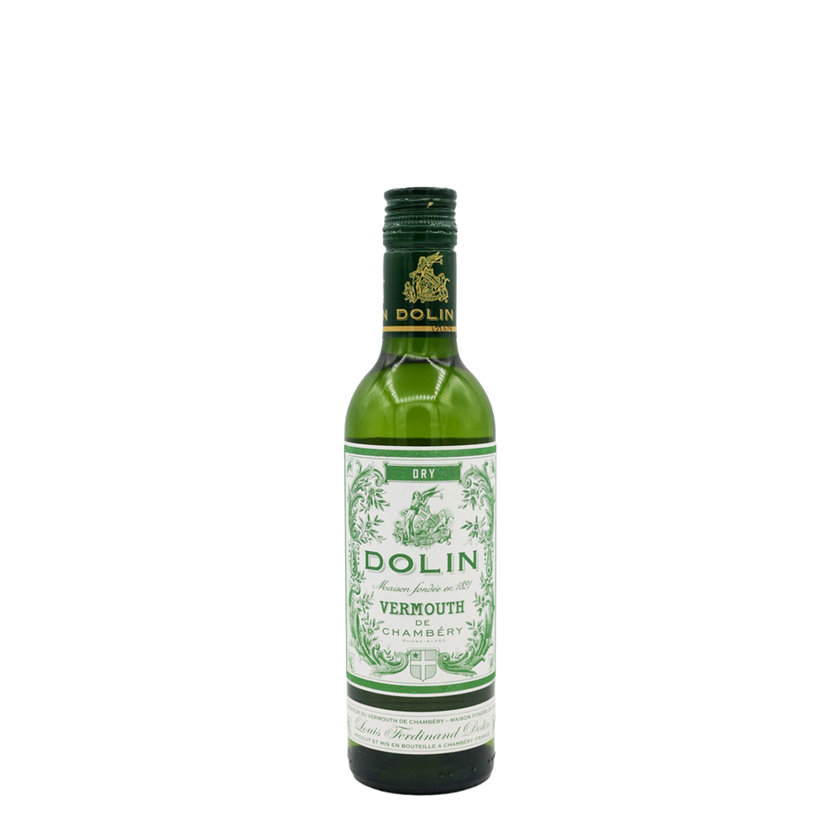
Dolin Dry
Best For: A light, precise martini
Dolin is where we’d begin when the request is a Martini that tastes first of gin, but better. Citrus peel, Alpine herbs, menthol freshness, almond, and light bitterness sharpen the drink without taking it over.
It works especially well with classic gin, a clean vodka, and a lemon twist. Dolin can get lost beside an enormous botanical gin or a heavily savory garnish. In a restrained build, that delicacy is exactly why it works.
Noilly Prat Original Dry
Best For: More herbal weight
Make the same Martini with Noilly Prat and the vermouth becomes much easier to find. Chamomile, coriander, bitter orange, and elderflower give it enough botanical weight to stand beside a juniper-led gin.
We reach for it when we want to taste both the gin and the vermouth, whether the garnish is lemon or an olive. It isn’t a better version of Dolin. It’s a broader, more herbal answer to the same question.
Cocchi Extra Dry
Best For: A vermouth-forward martini
Here the question changes. What if the vermouth is meant to matter? Cocchi Extra Dry can carry a wetter build without turning soft or sugary. Fresh apple, melon, white flowers, mint, lemon, cardamom, coriander, and wormwood bring fruit, lift, and enough bitterness to keep the drink precise.
We like it at 2:1 and even 50/50, where a quieter vermouth might simply disappear. Cocchi also drinks beautifully on its own. If your ideal Martini is gin with only a polite suggestion of vermouth, this probably isn’t your bottle.
Carpano Dry

Best For: A bright, winey martini or Gibson
For a Gibson, the cocktail onion gets a vote. Carpano Dry has enough winey acidity and balsamic freshness to answer it, with citrus, green apple, and coriander underneath.
It leaves a clearer mark than a delicate French vermouth and stays intact beside olives, onions, and other savory garnishes. We reach for it when the Martini should feel bright and wine-driven, not merely cold and botanical.
MARTINI Extra Dry
Best For: A crisp, familiar starting point
MARTINI Extra Dry is a useful place to begin when you want a classic Martini profile without turning the first bottle into a research project. Crisp citrus, restrained raspberry and lemon, orris, subtle wood, and a clean finish come together neatly at a 3:1 gin-to-vermouth ratio.
That familiarity gives you something to measure against. Once you know the shape of this drink, it becomes much easier to decide whether your next bottle should be lighter, more floral, more wine-driven, or more assertively herbal. Every preference needs a baseline, and this is a dependable one.
How to Choose the Right Dry Vermouth for Your Martini

The gin or vodka should settle the choice. A juniper-heavy gin can carry something broader and more herbal. A delicate gin often shows better with a quieter vermouth, unless you deliberately want the contrast. Floral or citrus-led gins can turn muddled beside a vermouth that’s equally perfumed. Vodka leaves the vermouth more exposed, so it needs enough wine, citrus, herbs, and bitterness to hold the drink together.
The garnish shifts things too. Lemon suits brighter, more floral bottles. Olives and cocktail onions want something winey and savory enough not to disappear.
Start at 3:1. Move to 2:1 for more vermouth or 5:1 when the spirit should lead. Keep everything else the same while comparing. Change the spirit, ratio, dilution, and garnish together, and you’ve made a second Martini without learning much about the first.
How to Store Dry Vermouth After Opening
Here’s the least glamorous advice in this blog and possibly the most useful: put opened vermouth in the refrigerator. It’s fortified, but it’s still wine, and the liquor shelf is not doing it any favors.
Reseal the bottle, date it, and aim to finish it within about a month while the aromas remain lively. If it has been open longer, taste it before mixing. Tired vermouth usually turns flat and indistinct before it becomes dramatically unpleasant.
For occasional Martini drinkers, a 375ml bottle is often the sensible purchase. A large bottle only saves money when you enjoy it while it still tastes like itself.
FAQs
What is the best dry vermouth for a classic gin Martini?
Dolin makes a lighter, more precise Martini, while Noilly Prat contributes more herbal weight. The gin and your preferred ratio should settle the choice.
Is extra-dry vermouth better than dry vermouth?
No. Extra dry can indicate lower sugar, but it doesn’t guarantee better quality or a better Martini.
What dry vermouth is best for a vodka Martini?
Choose a vermouth with enough citrus, herbs, or wine character to give neutral vodka shape without overwhelming it.
How much dry vermouth belongs in a Martini?
Three parts spirit to one part vermouth is a useful starting point. Move wetter or drier from there according to your taste.
How long does dry vermouth last after opening?
Keep it tightly sealed in the refrigerator and aim to finish it within about a month while the aromas remain bright.
Build the Martini You Actually Want
The best bottle isn’t automatically the rarest, boldest, or most expensive. It’s the one that gives your chosen spirit the freshness, shape, and botanical detail you want. Pour the vermouth alone, begin with one ratio, and change one element at a time. Your favorite will reveal itself much faster than a ranking can.
Start your comparison with Dolin Dry Vermouth 375ml at Community Wine & Spirits and find the Martini ratio that tastes right to you.


