

We have been spending a lot more time with gin lately and giving it a lot more room on our shelves.
Community Wine & Spirits now carries more than 50 different gin SKUs, making our selection one of the largest in NYC. That means more classic London dry gins, more modern botanical bottles, more unexpected expressions, and, naturally, more decisions to make.
Because the best gin is not necessarily the fanciest bottle on the shelf. It is the one that brings the right character to the drink you are making.
A Martini asks something very different of gin than a G&T. Add citrus, bitters, bubbles, or something sweet, and the equation changes again.
So rather than trying to crown one bottle the best gin for everything, here is how to find the right one for the drink in front of you.
Start With the Drink, Then Choose the Gin
Gin is built around juniper, but what happens beyond that can vary enormously. One bottle might lean crisp, piney, and citrusy. Another might be floral and aromatic. Others bring cucumber, herbs, spice, earthiness, or more unusual botanicals into the mix.
That variation is exactly what makes having 50+ options exciting.
The trick is to think about what else is going into your glass. In a Martini, gin is front and center. In a gin and tonic, it has to share the stage with the tonic's sweetness and bitterness. In a Negroni, Campari and vermouth are the main components.
The more you know about the drink, the easier it becomes to choose the bottle.
Choosing the Best Gin for a Martini

If you really want to get to know a gin, make a Martini.
There are very few places for the spirit to hide, which means your choice of gin for a Martini can completely change the drink.
For a Crisp, Classic Martini
If your ideal Martini is cold, dry, clean, and unmistakably gin-forward, start with a London dry style.
Sipsmith London Dry Gin is exactly the kind of gin we reach for in a classic Martini. It has enough juniper and structure to stay sharp and recognizable when gin is doing most of the talking.
This is especially useful if you like a dry Martini finished with a lemon twist. The goal is not to pile on more flavors; it is to let a clean, structured gin stay recognizable from the first sip to the last.
For Something Rounder and Earthier
Not every Martini needs to be quite so sharp.
Plymouth Gin is a great direction when you want a somewhat rounder, earthier expression. Try it in a wetter Martini with a little more vermouth, or reach for it when you are firmly on Team Olive.
That is an important distinction when choosing the best gin for a Martini: “classic” does not have to mean only one flavor profile.
Choosing Gin for a Gin and Tonic
A G&T looks almost comically simple: gin, tonic, ice, garnish. But that simplicity means every choice counts.
The right gin for a gin and tonic depends partly on the tonic itself. A sweeter, more assertive tonic can overwhelm a very delicate gin, while a lighter tonic gives subtle botanicals more space.
Then there is the garnish. Rather than automatically throwing in a lime, pay attention to what is already happening in the gin.
For a Botanical, Citrus-Herbal G&T
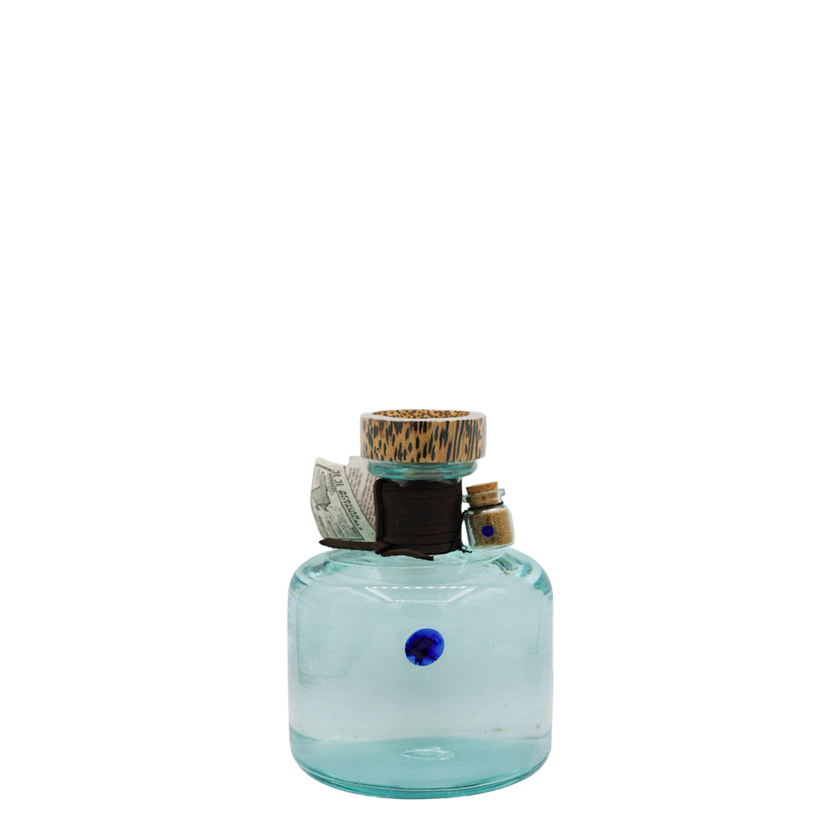
Forthave Blue Gin is exactly the kind of bottle that shows how interesting a G&T can become once you move beyond the standard template.
With a botanical profile that includes juniper, grapefruit, and mint, it already gives you several directions to take the drink. Keep the tonic relatively simple and consider a grapefruit peel or an herbal garnish that plays off what is already in the glass.
The point is not to decorate the G&T. It is to make the gin taste even more like itself.
For a Softer, Cucumber-Led G&T
If you prefer your G&T aromatic and refreshing rather than intensely juniper-driven, Hendrick’s Gin is an easy bottle to understand.
Its distinctive cucumber character makes it particularly friendly with tonic and gives you a very obvious garnish direction: cucumber. Keep everything else restrained and let that cool, aromatic profile lead.
These two bottles also illustrate why asking for the single best gin for a G&T is tricky. Both can make an excellent G&T. They simply make very different ones.
Take a Cue From Spain
Spain has taken the G&T very seriously for years, usually serving it over plenty of ice in a large glass where the gin, tonic, and aromatics all have room to open up. We happen to have two Spanish bottles right now that show just how much range there is within that tradition.
Xoriguer Mahón Gin comes from Menorca, where gin has been part of the drinking culture for centuries. It is made in Mahón and gives you a wonderfully traditional way into Spanish gin. Keep the tonic and garnish simple and let the gin do the talking.
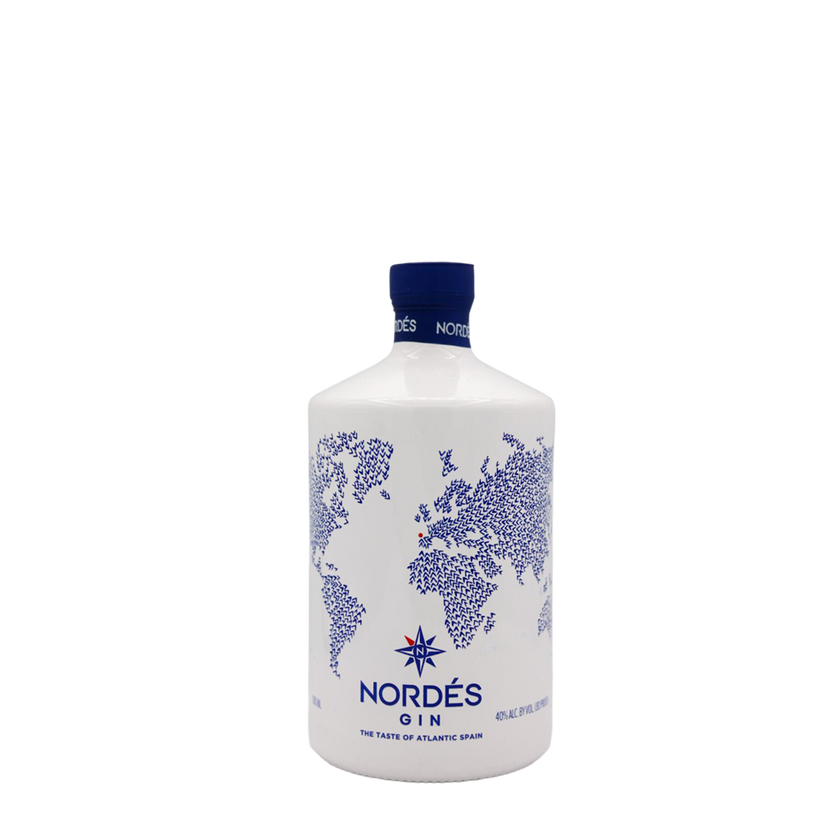
Nordés Gin comes from Galicia and heads in a completely different direction. Its base spirit is made from Albariño grapes, and its 11 botanicals include lemon verbena and salicornia, giving it a fresh, herbal, citrusy character with a subtle maritime edge.
Put the two side by side, and you get a pretty good argument for why Spain’s G&T culture is so much fun: same basic drink, two completely different personalities.
Choosing Gin for Other Cocktails

Once more ingredients enter the picture, choosing a good cocktail gin becomes a question of balance.
Ask yourself: How much does the gin have to compete with?
Bitter, Spirit-Forward Cocktails Need Some Backbone
Think about a Negroni. Gin is sharing the glass with bitter Campari and sweet vermouth, so an extremely delicate spirit can disappear surprisingly quickly.
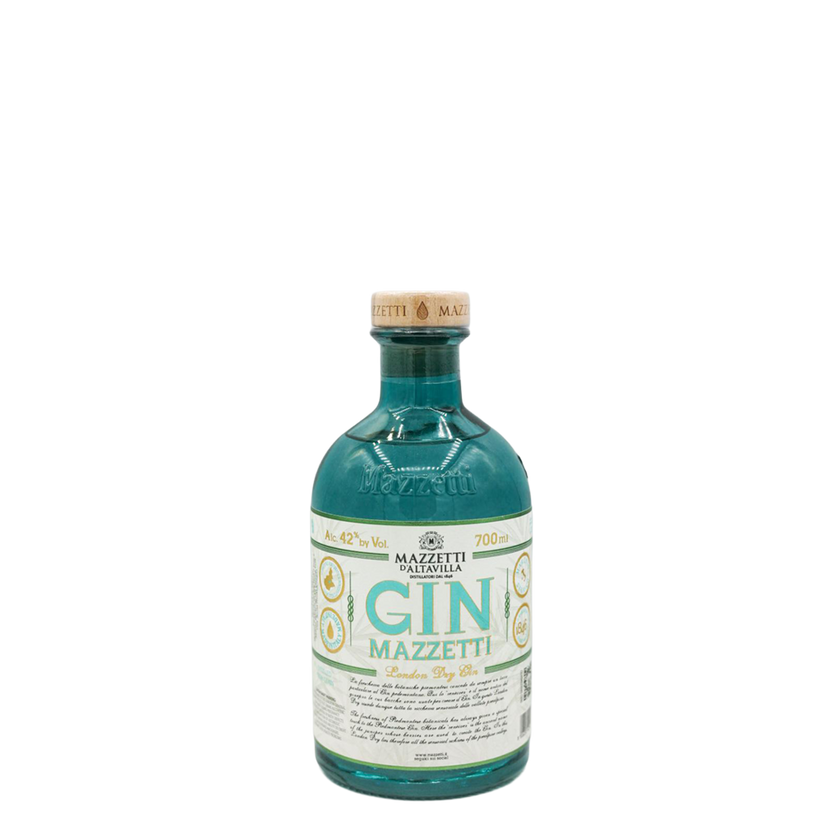
This is where a structured, clearly defined gin earns its keep. Mazzetti London Dry Gin is a good bottle to reach for here. The London dry style gives the gin enough presence to hold its place alongside Campari and sweet vermouth rather than getting lost between them.
The same principle applies beyond a Negroni. If the cocktail contains bold bitters, strongly flavored modifiers, or plenty of sweetness, look for a gin with enough personality to remain part of the conversation.
Citrus and Bubbles Give Aromatic Gin Room to Play
For a French 75, Tom Collins, Bee's Knees, or another citrus-driven cocktail, you can take a different approach.
These drinks can be a great place for floral, citrusy, or spiced gins.
Song Cai Distillery Dry Gin, with its floral, spiced-citrus, pine, and anise character, is the kind of bottle that can take a familiar cocktail somewhere new.
Pairing an aromatic gin with lemon, honey, soda, or sparkling wine lets those botanicals become part of the drink rather than forcing them to fight through heavier ingredients.
That is where choosing a cocktail gin gets fun: you are not simply looking for something that “works.” You can choose a gin that actively changes the personality of the cocktail.
What If You Want One Gin That Can Do Everything?
We understand. Not every home bar needs twelve open bottles of gin.
If you want one bottle that can move comfortably between Martinis, G&Ts, and cocktails, a balanced London dry-style gin is a very useful place to start. Look for clear juniper, some citrus character, and enough structure to stay present after dilution and mixing.
Then consider what you actually drink.
If 80% of your gin ends up in Martinis, buy for Martinis. If your summer is basically one long series of G&Ts, choose the bottle that works with your favorite tonic. If you love experimenting with cocktails, give yourself something versatile enough to play with.
There is no prize for owning the theoretically most versatile gin. The best gin is the one you actually enjoy drinking.
FAQs
What type of gin is best for a Martini?
A dry, structured gin with a clear botanical profile is a reliable starting point. London dry styles such as Sipsmith work particularly well for a crisp, classic Martini, while a rounder gin such as Plymouth can suit drinkers who prefer a softer or earthier result.
What gin works best in a gin and tonic?
Match the gin to your tonic and preferred flavor profile. Botanical gins such as Forthave Blue can create a more expressive G&T, while the cucumber character of Hendrick's works well for a softer, refreshing style.
Can I use the same gin for Martinis and G&Ts?
Absolutely. A balanced London dry-style gin is one of the easiest choices if you want a bottle that can handle both. But experimenting with more distinctive gins can show just how different the two drinks can become.
Does expensive gin make a better cocktail?
Not necessarily. A more expensive gin can be beautifully made, but that does not automatically make it the best choice for a particular cocktail. Flavor profile and how the gin interacts with the other ingredients matter more.
What should I look for when choosing a cocktail gin?
Start with intensity. For cocktails with bitter, sweet, or strongly flavored ingredients, choose a gin with enough structure to remain noticeable. For lighter citrus or sparkling drinks, floral and aromatic gins have more room to shine.
Find the Right Gin at Community Wine & Spirits
Having more than 50 different gin SKUs and one of the largest gin selections in NYC means we can go well beyond handing you the same bottle for every occasion.
Maybe you want Sipsmith for Friday night's Martini. Maybe Forthave Blue is about to change your usual G&T. Maybe Song Cai sends your next French 75 in a completely different direction. Or maybe you have no idea what you want yet.
That last one is perfectly fine, too.
Tell us what you like to drink, what you are making, or even what you don't like about the gin you already have. We will help you narrow it down!
Explore the growing gin selection at Community Wine & Spirits, or stop by the shop in Chelsea and find your next bottle.


