

Pour a young Barolo next to a 20-year-old one, and you’d swear they came from different grapes.
The young wine might be all firm grip, tart cherry, and a little stubbornness. Twenty years later, the fruit has softened into something darker and more savory, the tannins have relaxed, and suddenly you’re smelling dried roses, leather, spice, maybe even fall leaves. The whole thing moves differently in the glass.
That transformation is what makes aging wine so fascinating. But not every bottle needs twenty years in a dark corner, and honestly, we wouldn’t want it to. Most wine is made to be delicious relatively young. The fun is learning which bottles have somewhere interesting to go.
If you’re holding a bottle and wondering whether to open it tonight or tuck it away, here’s what we look for.
What Aging Actually Does to Wine
Wine doesn’t simply sit still once it goes into the bottle. Its tannins, acids, aromas, and flavors keep interacting slowly over time, along with tiny amounts of oxygen. Time doesn’t magically add something that wasn’t there. It changes the way the pieces already in the wine relate to each other.
In a young red, fruit can feel bright and immediate, while the tannins leave that dry, grippy feeling along your gums. With the right wine and enough time, the grip softens. Fresh cherry and blackberry start moving toward dried fruit, leather, tobacco, earth, mushroom, flowers, and spice.
White wine changes too. Citrus, green apple, and stone fruit can slowly turn toward honey, toast, nuts, wax, and other savory flavors while good acidity keeps the wine alive. And this is worth saying: not everybody prefers mature wine.
We love aged bottles, but older doesn’t automatically mean better. Some people would take the fresh fruit and energy of a young wine every single time, and that’s a perfectly good preference.
If you’re curious, tasting a bottle that has already done the waiting for you is the easiest way to find out. A 2009 Saumur-Champigny lets you see what Cabernet Franc becomes with time, while a 2006 Mosel Riesling Spätlese shows just how rich and honeyed a white wine can become without losing its energy. If those flavors make you want another glass, then putting away a few bottles of your own starts to get very tempting.
Five Signs a Wine Is Worth Aging
We’ve watched enough young bottles grow up to notice a few patterns.
There’s no single test that tells you a wine will be brilliant in 15 years, but certain traits give it a much better chance.
Firm Tannins Give Red Wine Somewhere to Go
A young Barolo, Bordeaux, or Cabernet can sometimes feel almost too firm when it’s first opened. Your gums dry out a little, the fruit feels tightly wound, and the wine seems as though it hasn’t quite settled into itself yet.
That grip comes from tannin.
In the right wine, those tannins are part of what allows it to evolve. They gradually soften and integrate, so the hard edges of youth become smoother and more seamless.
We wouldn’t age a wine just because it’s tannic, though. The fruit and acidity need to be there too. Otherwise, you’re simply waiting for a rough wine to become an older rough wine.
Acidity Keeps the Wine Alive
Take a sip and notice whether your mouth immediately starts watering.
That freshness comes from acidity, and it’s one of the great preservatives in wine. It’s particularly important in whites, where tannin plays a much smaller role.
It’s also why wines like Riesling and Chenin Blanc can be astonishing decades after the vintage. Their fruit changes dramatically, but that bright line of acidity keeps the whole thing from feeling tired.
There’s Plenty Going On in the Glass
Age-worthy wine usually has some depth from the beginning.
We don’t mean that every bottle needs to be enormous or powerful. A great Burgundy can be delicate and still have layers that keep revealing themselves every time you return to the glass.
Pay attention to what happens after you swallow. Does the wine disappear immediately, or do fruit, spice, minerals, tannin, or some flavor you didn’t catch at first keep hanging around?
The bottles we get excited about aging tend to leave something behind.
Nothing Feels Out of Place
Fruit, tannin, acidity, alcohol, and oak don’t need to be shy, but they should feel as though they belong together.
Time can soften a young wine. It can’t completely rescue one that feels badly out of proportion.
This is why balance matters so much. A powerful wine can age beautifully if the fruit and acidity match the structure. A lighter wine can do the same if everything is in harmony.
It Gets More Interesting After It’s Been Open a While
This is one of our favorite tricks because you can try it at home without buying anything special.
Open the bottle, pour a glass, put the cork back in, and come back to it the following day. Some wines fade. Others seem to wake up.
If the wine still feels fresh on day two, or starts showing new aromas and flavors after some time with air, that often tells you there’s more underneath the surface. It’s not a guarantee of a long life, but it’s a very encouraging sign.
One thing we wouldn’t put on this list is price.
Expensive wines are often built with aging in mind, but price alone tells you surprisingly little. Plenty of modest bottles age beautifully, and plenty of expensive wines are made to give you pleasure right now.
Wines That Age Well and How Long to Age Them

Some wines have been proving their ability to age for generations, so if you’re just starting to put bottles away, these are some of the places we’d look first.
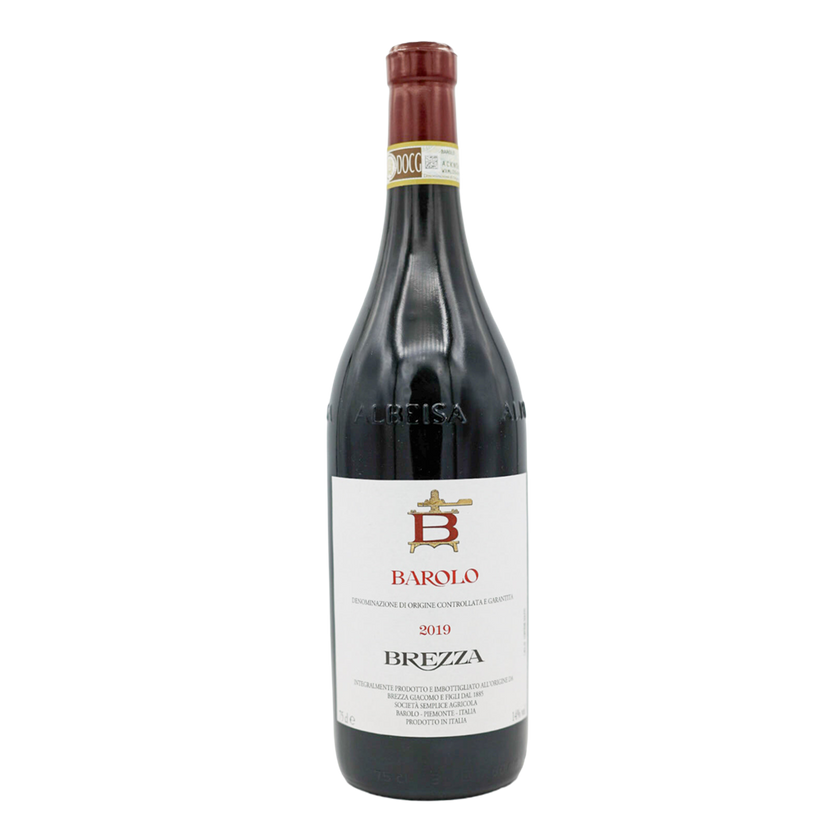
Barolo and Barbaresco: 10 to 25 Years
Nebbiolo is one of the easiest grapes to understand through aging because the difference can be so dramatic.
Young Barolo can be firm, high in acid, and almost stubborn. Give it time, and those tannins soften while the wine develops the dried flowers, spice, earth, and perfume that make mature Nebbiolo so compelling.
A classic Barolo is a very good bottle to buy more than one of: drink one relatively young, then forget about another for a while.
Bordeaux and Top Napa Cabernet: 10 to 30 Years
Cabernet-based wines are classics for the cellar because they can have the whole package: tannin, acidity, concentrated fruit, and plenty of structure.
The best examples slowly trade fresh cassis and blackberry for cedar, tobacco, earth, and more savory flavors.
You don’t need to wait three decades for every Cabernet, but serious bottles can reward a lot of patience.
Red Burgundy: 8 to 25 Years
Burgundy is where aging can get wonderfully hard to explain.
A great Pinot Noir doesn’t necessarily become bigger with time. Often it becomes more detailed. Fresh red fruit starts sharing the glass with earth, spice, dried flowers, forest floor, and all sorts of aromas that seem to appear out of nowhere.
David wrote about exactly that kind of experience in a Burgundy he’s never forgotten, and it’s one of the reasons people get so attached to mature Burgundy in the first place.
Rioja Gran Reserva: 10 to 20 More Years
Rioja gives you a bit of a head start because Gran Reserva has already spent years aging before it reaches the shelf.
That means you can get the leather, spice, dried fruit, and savory complexity of mature wine without necessarily waiting decades yourself.
A bottle like CVNE Imperial Gran Reserva can still keep developing for years after release.
Riesling and Chenin Blanc: 10 to 30 Years
If you’ve never aged white wine, this is where things get really fun.
Good Riesling can move from citrus and stone fruit toward honey, petrol, spice, and dried fruit while keeping remarkable freshness.
Chenin Blanc can be just as impressive. Vouvray demi-sec combines acidity with a little residual sugar, which gives the wine tremendous staying power.
Vintage Port and Sauternes: 20 to 50 Years and Beyond
Sugar and, in Port’s case, higher alcohol make these some of the most patient bottles you can own. They can age for decades, becoming increasingly nutty, spicy, savory, and complex along the way.
Just treat all of these age ranges as rough guides. Producer, vintage, storage, and your own taste matter enormously. And there is absolutely no prize for aging a wine that was better five years earlier.
Everyday Pinot Grigio, Prosecco, most rosé, and fresh, juicy young reds are generally happiest within their first few years. Enjoy them while they’re doing what they were made to do.
How to Age Wine at Home Without a Wine Cellar
Most of our customers do not have a Burgundy-style cellar tucked underneath their New York apartment, and thankfully they don’t need one.
Wine mostly asks for somewhere cool, dark, steady, and quiet.
-
Keep the temperature cool and consistent: Around 55°F is ideal, but avoiding big temperature swings matters just as much. Heat speeds everything up, and temperatures above 70°F can age a bottle much faster than you want.
-
Keep bottles away from light: Sunlight and bright light can damage wine over time. A dark closet beats a beautiful rack next to a sunny window.
-
Store cork-finished bottles on their side: This helps keep the cork from drying out. Screw-cap bottles can stay upright.
-
Leave them somewhere calm: The top of the fridge, beside the radiator, or next to the washing machine is not doing your future bottle any favors.
If you’re planning to keep wine for more than a year or two, a small wine fridge is one of the easiest upgrades you can make. That’s especially true in New York, where an apartment can go from summer heat to an enthusiastic radiator without much warning.
How to Tell When an Aged Wine Is Ready to Drink
This is the frustrating and wonderful part: nobody can tell you the exact moment when a bottle becomes perfect. Wine evolves gradually, and the point you love most might be earlier or later than someone else’s.
You can see some of the changes before you even take a sip. Red wines move from purple and ruby toward garnet and eventually brick at the rim. White wines deepen from pale straw toward gold.
The aromas shift too. Fresh fruit begins sharing space with dried fruit, earth, leather, flowers, mushrooms, nuts, honey, or spice. Tannins that once felt firm become smoother, and flavors start unfolding rather than arriving all at once.
The best way we know to understand that process is also the most enjoyable: buy multiples. If you find a wine you love and think it has aging potential, buy three or six bottles. Open one relatively young, another a few years later, and keep a quick note of what changed.
You’ll learn more from following one wine over time than you will from memorizing dozens of aging charts. And if you’re standing in front of the bottle one night wondering whether it’s too soon, we tend to favor opening it.
A slightly young wine can still be wonderful. A bottle you waited so long to drink that you missed it entirely is much harder to get back.
FAQs
Does all wine get better with age?
No, and we wouldn’t want it to. Most wine is made to give you plenty of pleasure while it’s young. Only a smaller group has the tannin, acidity, concentration, or sugar needed to become more interesting over a long period.
How long should you age red wine?
It depends enormously on the bottle. Structured reds such as Barolo, Bordeaux, and serious Cabernet may benefit from 10 years or considerably more, while lighter, fruit-driven reds are often best enjoyed within their first few years.
Can white wine age?
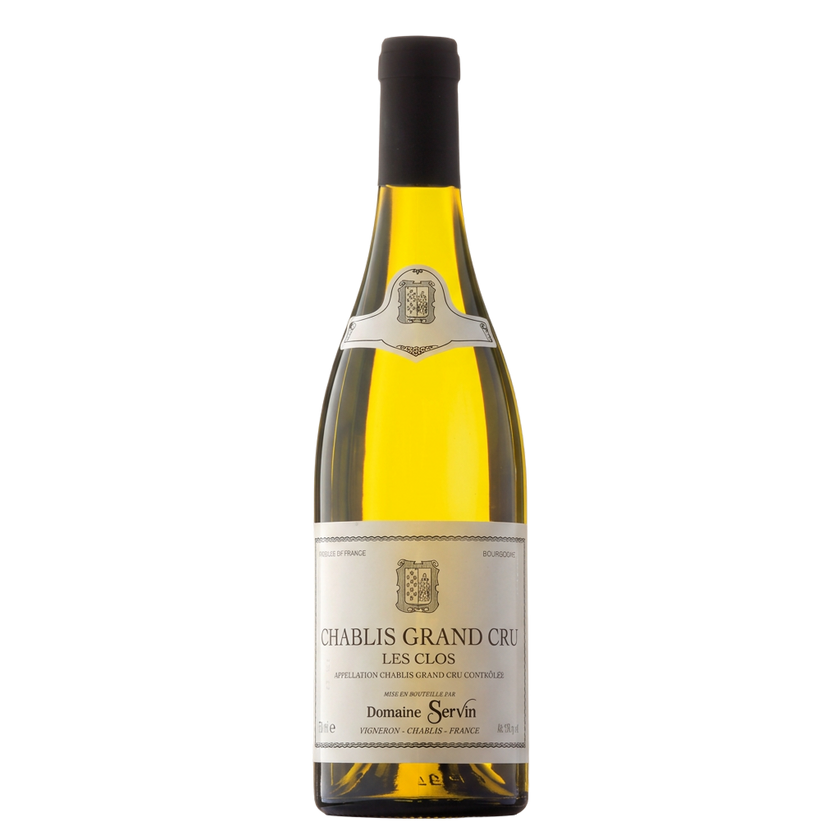
Absolutely. High-acid whites such as Riesling and Chenin Blanc can age for decades, and serious white Burgundy can be spectacular with time. Honey, nuts, toast, wax, and savory flavors gradually join the fresher fruit.
Do I need a wine cellar to age wine?
Not at all. For shorter-term storage, a cool, dark, steady place can work well. If you’re keeping bottles for several years, especially in a New York apartment, a small temperature-controlled wine fridge is the safer bet.
Find a Bottle Worth Waiting For at Community Wine & Spirits

Aging wine does require a little faith, but that’s also what makes it fun.
You buy a bottle you already like, give it the right conditions, and come back years later to find that it has become something different. Sometimes the transformation is dramatic. Sometimes it’s subtle. Either way, there’s something deeply satisfying about opening a bottle and remembering that you were the person who decided not to drink it five years ago.
Some of the most memorable wines we’ve opened haven’t necessarily been the rarest or most expensive. They were bottles someone had the patience to hold onto until the right night.
If you want to see where that road can lead before starting a cellar of your own, browse our Rare Finds for collectible bottles and older vintages that have already done some of the waiting for you.


