

Pale means dry, dark means sweet. It’s probably the most persistent rosé rule out there, and it’s wrong more often than you’d think.
We hear versions of it in the shop all the time. Someone picks up a nearly transparent Provence rosé and assumes it must be bone-dry, then looks suspiciously at a darker bottle from Tavel. Fair enough. Color is the first thing you notice.
But what really shapes a rosé wine is where it comes from, which grapes went into it, and how the winemaker handled those grapes. Once you start looking at those clues instead of judging the shade of pink, the category gets much more interesting.
So let’s start with what color actually tells you, move into dry versus sweet rosé, and then taste our way through the regions and styles we think are worth knowing.
What Gives Rosé Wine Its Color
Almost every rosé starts with red grapes, and the juice inside most red grapes is actually clear. The color is in the skins. That means the winemaker gets to decide, within reason, how much color ends up in the wine.
Let the juice sit with the skins for just a few hours, and you can get the pale, onion-skin pink Provence is known for. Leave them together longer, and the wine moves toward watermelon, salmon, or cherry, like the deeper rosés you see from Tavel.
Some producers press the grapes almost immediately. Others use the saignée method, bleeding off a portion of juice from a tank of red wine, which often gives the rosé a little more concentration and body.
Here’s the important part: none of that automatically tells you how sweet the wine will be.
A deeper rosé often has more fruit, weight, and structure. A very pale one may feel lighter and more delicate. But we’ve tasted dark rosés that are completely dry and pale ones with a little residual sugar. If sweetness is what you’re trying to figure out, there are better clues.
Dry vs. Sweet Rosé: How to Tell Before You Buy
The good news is that most rosé you’ll find in a serious wine shop today is dry.
If someone hands us a bottle and asks, “Is this going to be sweet?”, we usually look at four things before we worry about the color:
-
Check the alcohol: A rosé at 12% alcohol or above is usually dry because most of the grape sugar has fermented into alcohol. Bottles around 9% or 10% are more likely to have some sweetness left.
-
Read the label: “Blush,” “off-dry,” and “semi-sweet” are obvious clues. With sparkling rosé, “brut” and “extra brut” indicate dry styles, while “demi-sec” means noticeably sweeter.
-
Look at the region: Classic European rosé regions such as Provence, Tavel, and much of northern Spain overwhelmingly work in a dry style.
-
Notice the grape: White Zinfandel and pink Moscato are usually on the sweeter side. Rosé from Grenache, Cinsault, Mourvèdre, Pinot Noir, or Cabernet Franc is much more likely to be dry.
And sweet rosé isn’t something we think needs apologizing for. A lightly sweet bottle can be excellent with spicy Thai food, barbecue, or a strawberry tart. The important thing is knowing what you’re buying.
If you want to get deeper into sugar levels, our rosé sweetness guide walks through the whole spectrum.
The Best Rosé Regions and What They Taste Like

Once you stop judging rosé by shade alone, region becomes one of the most useful clues on the bottle.
You don’t need to memorize every appellation in Europe. Learn five or six places, and you’ll already have a pretty good idea of what kind of rosé is waiting inside.
Provence: Pale, Crisp, and Classic
This is the rosé most people picture first. Pale pink, dry, refreshing, and generally built around grapes such as Grenache and Cinsault.
A good Provence rosé tends to give you citrus, white peach, maybe a little strawberry, and often a faint herbal or saline edge that keeps everything fresh. It’s the style we’d reach for when someone says, “I just want a really good dry rosé,” without giving us much else to work with.
Château Gassier’s Côtes de Provence is a lovely example of why the style became so popular in the first place. It’s easy to pour, easy to pair, and very hard to object to on a warm afternoon.
Bandol and Tavel: Rosé With Real Depth
We have a soft spot for these because they remind people that rosé doesn’t have to be delicate.
Bandol sits on the Mediterranean coast near Toulon, and Mourvèdre plays a major role there. It’s a thick-skinned grape that brings structure, savory flavor, spice, and enough seriousness that the best bottles can actually improve with some age.
Domaine Tempier is the benchmark for a reason. If someone wants to understand why people can get genuinely obsessive about rosé, this is a very good place to start.
Then there’s Tavel, across the Rhône, where rosé is the entire point. The appellation makes nothing else.
Tavel is darker, broader, and more substantial than Provence. Think herbs, ripe red fruit, spice, and enough body for roast chicken, lamb, or a proper dinner. Château de Manissy’s Tavel is exactly the sort of bottle we’d pull out for someone who says rosé feels too light for them.
Forget the beach chair for a minute. This is rosé for the table.
Loire Valley and Burgundy: Bright, Savory, and a Little More Unexpected
Cooler climates tend to give rosé more snap.
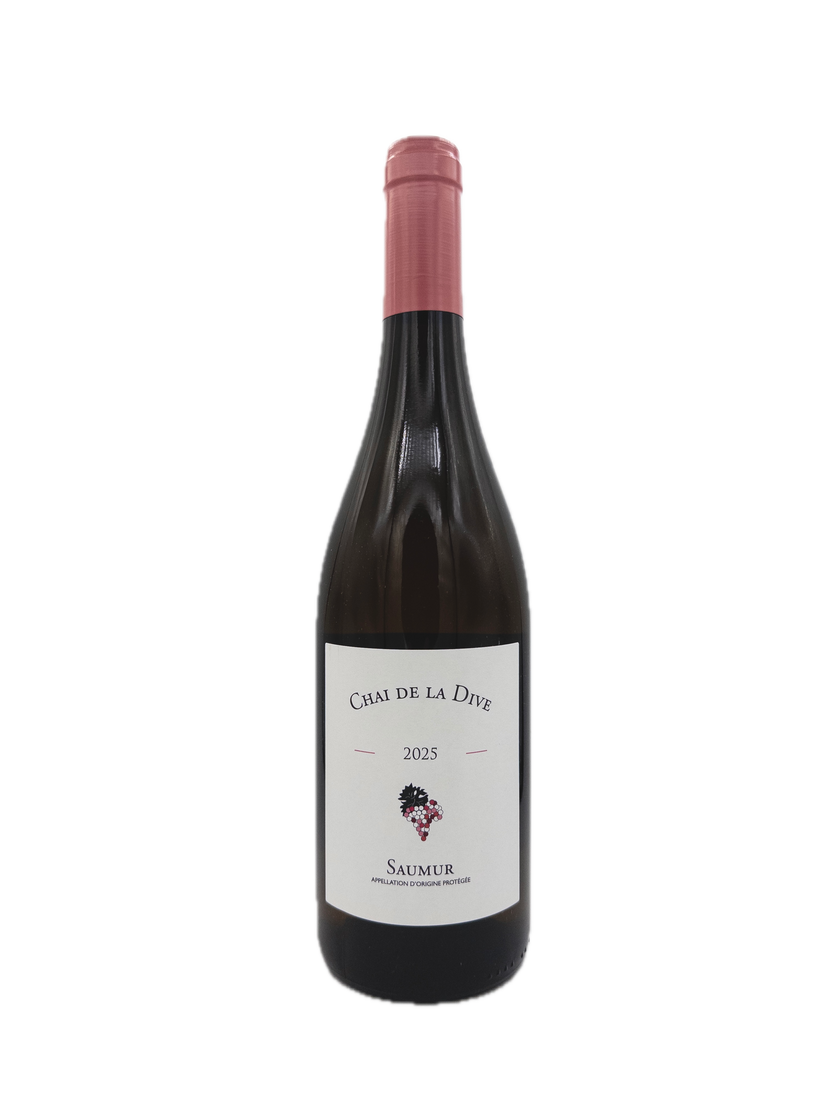
In the Loire Valley, Cabernet Franc can make beautifully bright rosé with red currant fruit, herbs, and that lightly leafy freshness the grape does so well. Olga Raffault’s Chinon Rosé is a great entry point.
Burgundy is a little more niche, which is part of the fun. Marsannay is the only village appellation on the Côte d’Or permitted to make rosé, and the wines are based on Pinot Noir.
Italy and Spain: Rosato, Chiaretto, and Rosado
Italy gives you an enormous range of rosato, but Chiaretto from around Lake Garda is one of the styles we think deserves more attention.
It tends to be pale, brisk, and extremely good with food, often with citrus, delicate red fruit, and a little bitter-almond note on the finish. Pasini San Giovanni’s Chiaretto is a bottle we’d happily put next to seafood, antipasti, or a plate of salty cheese.
Spain calls rosé rosado, and the style changes depending on where you are. Navarra is famous for juicy Grenache-based versions with plenty of ripe fruit.
Then you have Basque Txakoli rosé, which is a completely different animal. Bodegas Rezabal Txakoli Rosé is tart, lightly fizzy, refreshing, and relatively low in alcohol. It’s the kind of bottle that disappears very quickly once people realize what’s in their glass.
California and Oregon: A Different Kind of West Coast Rosé
The old American association between pink wine and sweetness has hung around much longer than it deserves to.
There’s plenty of dry rosé being made on the West Coast now, but California and Oregon don’t taste interchangeable.
California generally gives you a little more ripeness. Depending on the grape and region, you can find strawberry, melon, watermelon, citrus, and a broader texture than you’d expect from very pale European styles. If Provence sometimes feels a little too restrained for you, California can be a welcoming step up in fruit.
Oregon tends to lean fresher and more restrained, especially when Pinot Noir is involved. Those wines can have lovely tart red fruit, acidity, and the kind of light savory character that works beautifully with food.
We wouldn’t choose between Europe and the West Coast based on which is “better.” It really comes down to whether you want leaner and more mineral, or slightly riper and more generous.
How to Choose Rosé by Taste, Food, and Occasion

When we’re helping someone choose rosé in the shop, we usually ask three things: what do you normally drink, what are you eating, and where is this bottle going?
That gets us surprisingly close.
Start With the Wines You Already Love
Your regular wine order is one of the best clues you can give us.
If you usually drink Sauvignon Blanc, Muscadet, or other crisp whites, start with Provence, the Loire, or Chiaretto. You’ll recognize the freshness right away.
If you’re mostly a red wine drinker, we’d steer you toward Tavel or Bandol. Those wines have enough body, structure, and savory character that the transition feels natural.
And if you like generous fruit or a touch of sweetness, a riper California rosé may feel much more familiar than a very lean European bottle.
There’s no reason your first question has to be, “What rosé am I supposed to like?” Start with what you already enjoy.
Match the Weight to the Food
We don’t think rosé pairing needs many rules. Matching the weight of the wine to the weight of the food gets you most of the way there.
A pale, crisp rosé is wonderful with salads, oysters, goat cheese, grilled fish, shellfish, and lighter vegetable dishes.
A deeper rosé has more room to play. Tavel and Bandol can handle sausages, roast chicken, lamb, grilled pork, tomato-heavy dishes, and plenty of garlic and herbs.
Rosé is also one of our favorite pizza wines. It has the acidity to deal with tomato sauce, enough fruit for salty toppings, and it won’t bully the pie.
Don’t Save It Just for Summer
We wish more people drank rosé after Labor Day.
A deep, dry rosé is one of our favorite Thanksgiving bottles because it sits in that very useful space between red and white. There’s enough fruit for cranberry sauce, enough freshness for turkey, and enough structure for stuffing and all the richer things that somehow end up on the same plate.
Bandol and Tavel are particularly good here.
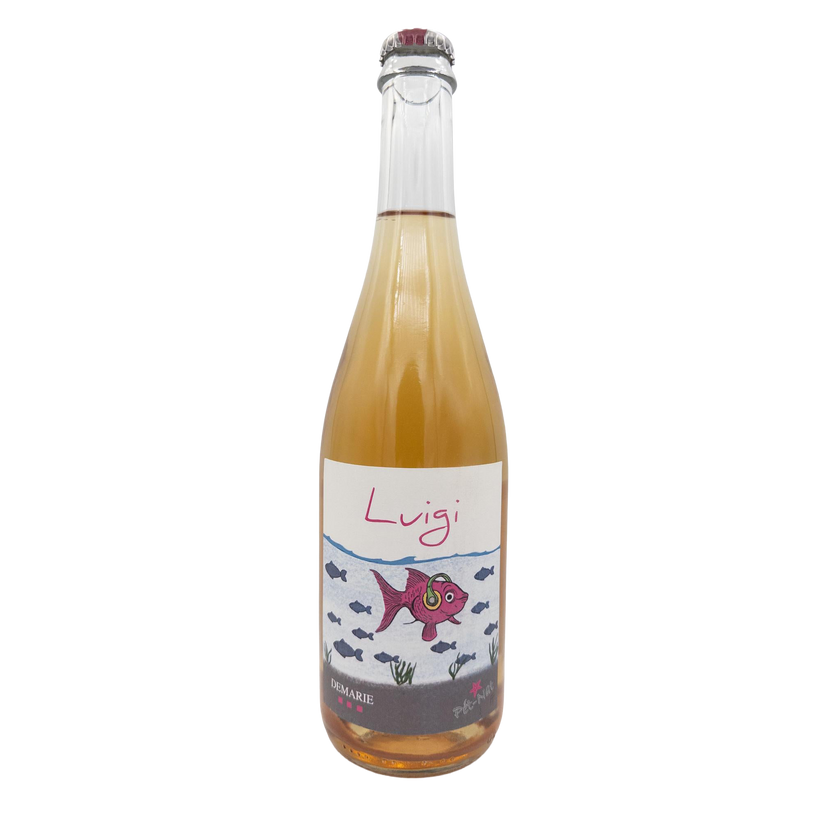
And sparkling rosé has no season at all as far as we’re concerned. A bottle of Gaspard Bulles Sparkling Rosé is exactly the kind of thing we’d open on a random Wednesday simply because Wednesday could use some help.
Serve It Cold, but Not Freezing
Rosé should be chilled, but pulling it straight from an ice bucket and drinking it as cold as possible can flatten everything interesting about it.
We usually suggest taking the bottle out of the fridge about 10 minutes before you pour. You still get the refreshment, but the fruit, herbs, and texture have a chance to show up too.
For light, everyday rosé, the newest vintage is usually what you want.
More serious examples from Bandol, Tavel, and Marsannay are different. Those can hold for several years, and sometimes become more interesting as the fruit settles down and the savory side comes forward.
If you really want all of this to stick, open two very different bottles side by side. Pour a pale Provence next to a deeper Tavel and taste them without looking at the labels.
You’ll understand the difference faster than we could explain it in another thousand words.

FAQs
Is Rosé wine sweet or dry?
Most rosé wine today is dry, especially from classic European regions. Sweeter styles absolutely exist, but they’re often labeled blush, off-dry, semi-sweet, or made from grapes such as Moscato or Zinfandel.
Does a darker Rosé mean it’s sweeter?
No. The color comes mainly from how long the juice spends in contact with the grape skins. A darker rosé may have more body and fruit, but it can still be completely dry.
What are the best Rosé regions?
Provence is the classic starting point, but we’d also look at Bandol, Tavel, the Loire Valley, Lake Garda in Italy, Navarra in Spain, and good West Coast producers. They all give you very different versions of what rosé can be.
How do I choose Rosé if I usually drink red?
Start with Tavel or Bandol. They have enough body, structure, and savory character that red wine drinkers usually feel at home right away.
Can Rosé age?
Most rosé is made to be enjoyed young, usually within a year or two. Serious bottles from places such as Bandol, Tavel, and Marsannay can develop beautifully over several years.
Find Your Next Rosé at Community Wine & Spirits

If there’s one thing we’d like you to take away from all of this, it’s to stop buying rosé by color alone.
Pick up a pale Provence one week and a darker Tavel the next. Try Bandol with dinner. Pour a Chiaretto when you would normally reach for Sauvignon Blanc. Rosé gets much more interesting once you stop treating it as one style of wine.
And if you’re not sure where to start, that’s the fun part for us.
Browse our Rosé wine collection, or come see us in Chelsea and tell us what you normally drink and what’s for dinner. We’ll help you find a rosé that fits the way you actually like to drink.


