

Wine glasses have a way of multiplying. First, you buy one for red wine and one for white wine. Then Burgundy wants its own bowl, Riesling wants something narrower, and suddenly there’s no room left for the plates.
Some of that specialization is useful. A wider bowl can help aromas open up; a narrower one can keep them focused; and a stem keeps a chilled wine from warming in your hand. But the glass can’t make a dull wine interesting, and most people don’t need twelve shapes to drink well.
In this blog, we’ll sort out what actually changes in the glass, where the differences matter, and what’s worth owning for the wines you actually drink.
Does the Shape of Wine Glasses Really Matter?
It does, though not as much as the stemware aisle would have you believe. Pour the same wine into a small, straight-sided glass and a roomy tulip, and the aromas won’t show up quite the same way.
A wider bowl gives the wine more air, while a narrower opening keeps what rises from it closer to your nose. The empty space above the pour matters too, which is why filling a glass to the rim defeats most of the point.
Still, a glass can only reveal what’s already in the bottle. It won’t fix a tired wine or turn a modest one into Grand Cru Burgundy. We like good stemware; we just don’t think every grape needs its own engineering department.
How the Shape of a Wine Glass Changes the Experience

We’ve poured the same wine into little café tumblers, standard tasting glasses, and Burgundy bowls that barely fit in the dishwasher. The wine doesn’t become something else, but it can show up very differently. Most of that comes down to the bowl, the opening, and whether your hand is warming the glass.
The Bowl Creates Space for Wine and Aromas
A wider bowl gives the wine more surface area and enough room for a proper swirl. That helps the aromas rise into the space above the pour, where your nose can actually find them.
This is also why filling a glass to the top is such a waste. You’ve paid for all that bowl and then removed the part that makes it useful.
Still, bigger isn’t always better. In a wider bowl, the aromas of a precise, mineral white spread out, the wine warms quickly, and some of the detail goes missing.
The Opening Helps Gather Aromas
Most useful wine glasses widen through the bowl and curve inward near the top. That narrower opening keeps the aromas close instead of sending them into the room before they reach your nose.
The ISO tasting glass is the plainest proof of the idea. It won’t win any design awards, but wine professionals use it because it gives almost every wine a fair reading.
You can forget the old story about different parts of the tongue tasting different things. The rim isn’t steering Cabernet toward your tannin zone. It should feel comfortable, and the opening should help focus the wine. That’s enough work for one piece of glass.
The Stem Helps Control Handling and Temperature
The stem doesn’t unlock hidden aromas. It gives you somewhere to hold the glass without wrapping a warm hand around the bowl.
That matters most with sparkling wine, rosé, and chilled whites. Stemless glasses are perfectly fine, especially for weeknight drinking and crowded cabinets. Just know that the wine will warm faster if you hold onto it through a long conversation.
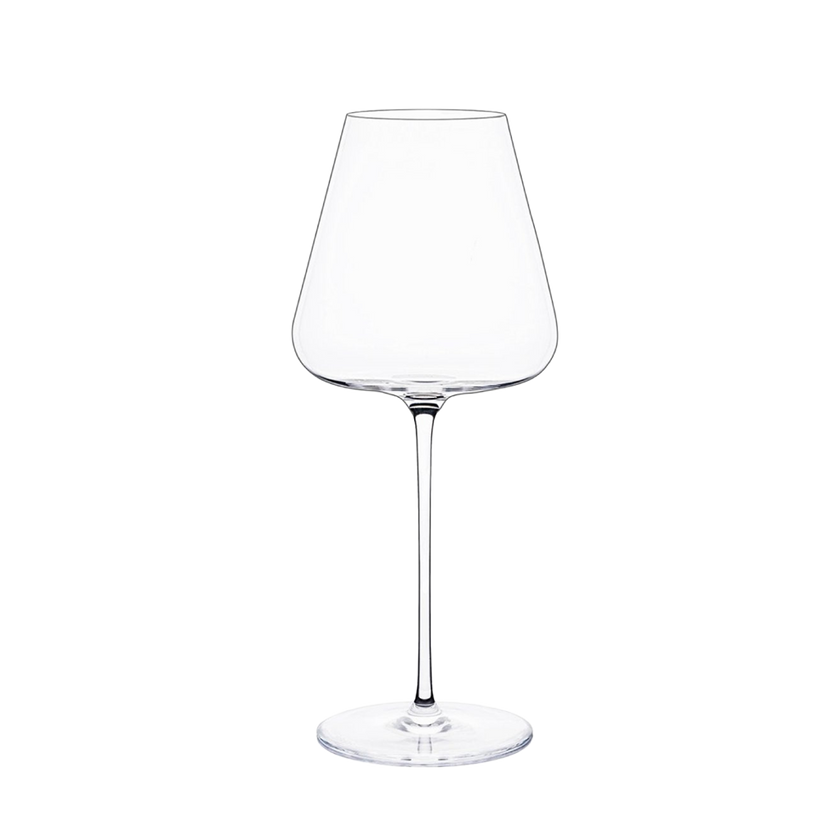
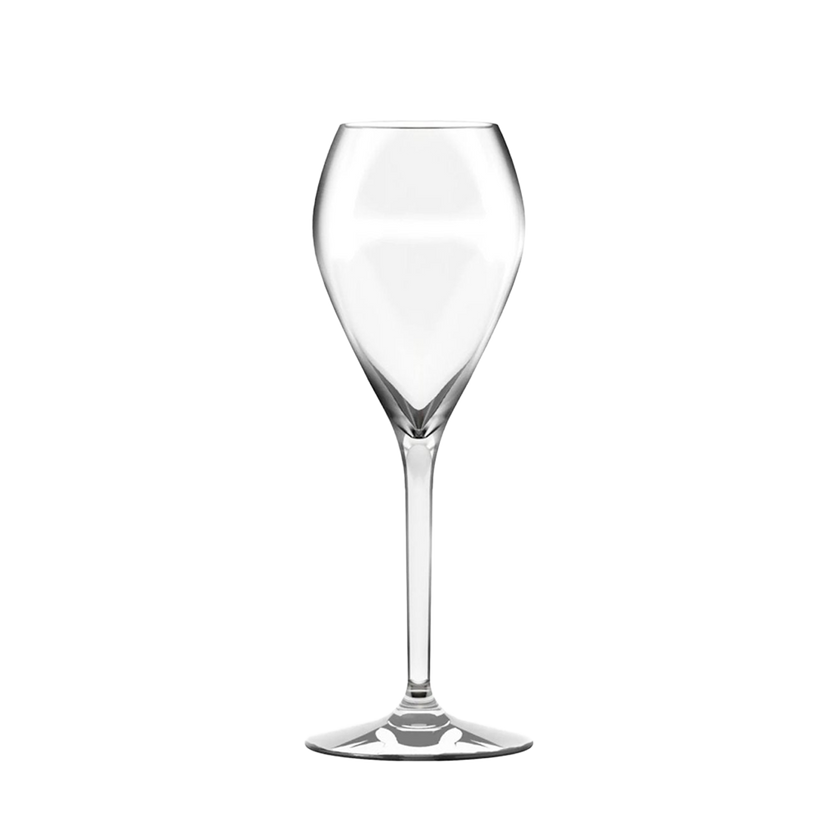
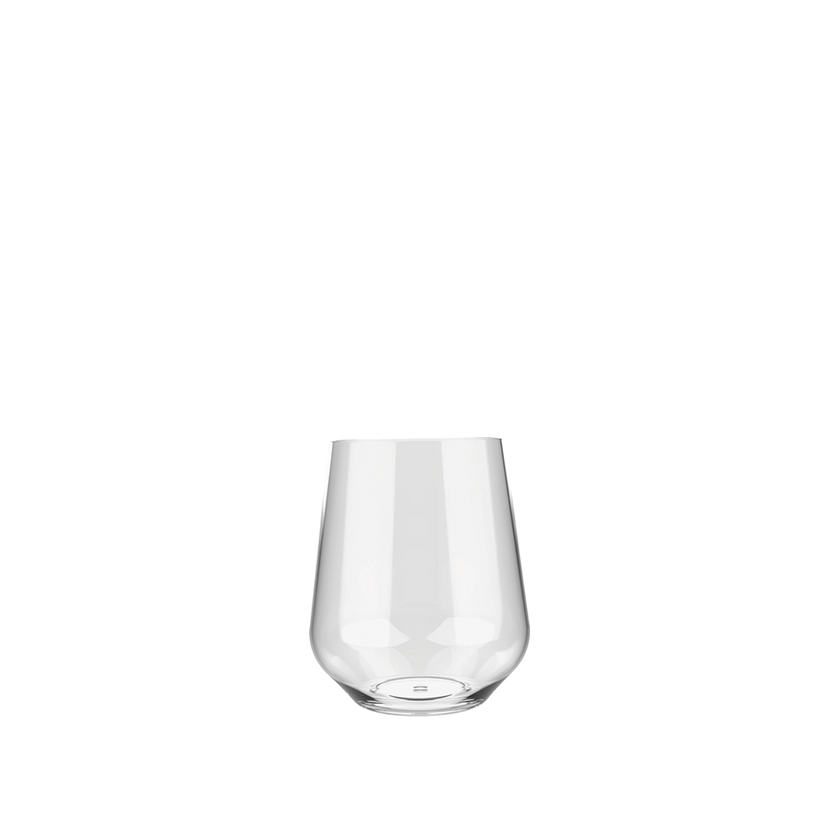
Red vs. White Wine Glasses and Where the Difference Matters
There is a real difference between red and white wine glasses, though it isn’t nearly as strict as the boxes make it look. Reds generally benefit from more room and air. Whites are usually better served by a smaller bowl that keeps them cool and holds their aromas a little closer.
|
Feature |
Red Wine Glasses |
White Wine Glasses |
|
Bowl |
Usually larger |
Usually smaller and narrower |
|
Opening |
Often wider |
Usually more tapered |
|
Air exposure |
More |
Less |
|
Temperature |
Less concern about warming |
Helps chilled wine stay cool |
|
Best suited to |
Fuller, more aromatic reds |
Crisper, lighter whites |
That’s a good starting point. A broad white can love a red-wine glass, and a light red may show beautifully in something smaller.
Why Red Wine Glasses Are Usually Larger
A roomier bowl gives fuller reds space to swirl and open. Cabernet, Syrah, Nebbiolo, and plenty of Pinot Noir can all reveal more aroma and detail with a little extra air.
You still don’t need a different glass for every grape. At home, one well-proportioned red glass will handle far more bottles than the stemware catalog would have you believe.
Just keep the pour sensible. Fill that generous bowl halfway, and you’ve removed most of the space that made it useful.
Why White Wine Glasses Are Usually Smaller
A smaller bowl helps chilled wine stay cool and keeps delicate aromas from spreading too widely. That works particularly well for crisp whites such as Muscadet, Riesling, and Sauvignon Blanc.
Richer whites don’t always cooperate with the rule. Barrel-aged Chardonnay, Viognier, and other broader styles can open beautifully in a larger bowl. We’ve poured plenty of white wine into red glasses and had no reason to regret it.
Do You Need Different Glasses for Every Wine?
No. A clear, medium-sized wine glass will carry you through most reds, whites, rosés, and plenty of sparkling wines. Give it enough room for a modest pour and a proper swirl, with an opening that narrows slightly at the top.
Separate red and white glasses start to earn their cabinet space when you entertain often, compare wines side by side, or notice that certain bottles consistently show better in one shape.
Grape-specific glasses can be useful once you know what you’re looking for. Buying twelve of them before you’ve developed a preference is mostly just an excellent way to run out of shelf space.
What We Look for in a Good Wine Glass

We’d look for:
-
Enough room for a sensible pour and an easy swirl
-
A bowl that curves inward near the top
-
Clear, uncolored glass
-
A rim that feels comfortable
-
A stable base and good balance
-
A shape you can wash, store, and replace without heartbreak
If a glass gets those things right, we care far less about the price tag or the grape printed on the box.
Cleanliness matters more than people admit. A beautiful crystal glass that smells faintly of detergent or cabinet dust will do more damage than a slightly imperfect bowl ever could.
Test Whether Glass Shape Matters to You
We’ve done this at tastings more times than we can count, and it settles the question quickly. Pour the same wine into two different glasses at the same temperature and compare:
-
How easily does each one swirl?
-
How clearly do the aromas come through?
-
How does the rim feel?
-
How quickly does the wine warm?
One glass may make the wine feel more open or focused. Or you may barely notice a difference.
If the change matters to you, that’s a good reason to add another shape. If it doesn’t, keep the cabinet space.
FAQs
Can red wine be served in white wine glasses?
Yes. The smaller bowl may limit swirling and air exposure, but it won't ruin the wine.
Can white wine be served in red wine glasses?
Yes, although a larger bowl may allow the wine to warm faster and spread delicate aromas more widely.
Do beginners need grape-specific wine glasses?
No. One well-shaped universal glass is enough for most beginners.
Are stemless wine glasses bad for wine?
No. They're practical, but holding the bowl can warm chilled wine more quickly.
Are expensive wine glasses worth buying?
They may offer a lighter or more refined drinking experience, but shape, comfort, durability, and cleanliness matter more than price alone.
Start With the Wine Glasses That Fit How You Drink
Glass shape can influence aroma, temperature, ease of swirling, and drinking comfort. Specialized stemware is optional, especially when you're starting out. One versatile glass or a simple red-and-white pair covers most situations well.
We carry Italesse glassware at Community Wine & Spirits in red, white, and universal styles, so you can choose a shape that fits the wines you actually drink rather than a shape someone else decided you should own.
Explore the Italesse glassware at Community Wine & Spirits and choose a shape that fits the wines you actually drink.


