

Añejo often gets treated as the serious tequila, as if more time in oak automatically means a better bottle. It doesn’t. A beautifully made blanco can be more expressive than an over-oaked añejo, and a good reposado can show exactly how agave and barrel can share the same glass.
Blanco, reposado, and añejo tell you what happened after distillation. The longer the spirit rests in wood, the more the barrel changes its color, texture, aroma, and flavor. That’s useful information, but it isn’t a ranking.
Today, we’ll look at what each tequila type tastes like, what the producer is trying to preserve or add, and which one you’re most likely to enjoy.
What Makes Tequila Tequila?
Tequila isn’t just any spirit made from agave. The name belongs to a regulated Mexican category made from Blue Weber agave within the places legally allowed to produce it. Plenty of excellent agave spirits fall outside that definition, but they don’t get to borrow the name.
The label tells you something else worth checking. “100% agave” means all the fermentable sugars came from Blue Weber agave. A bottle labeled simply “tequila” may include other permitted sugars. That has nothing to do with whether it’s blanco, reposado, or añejo. Those terms come later.
The hearts of the agave plants, called piñas, are cooked, their sugars extracted and fermented, and the liquid distilled. After that, the producer either bottles it or sends it into oak. That’s where the three styles begin to separate.
How Blanco, Reposado, and Añejo Tequila Really Differ
Blanco, reposado, and añejo are easiest to understand by how much time they spend with oak. They aren’t steps on a quality ladder. Each has a legal definition, but that only tells you part of the story. Agave source, fermentation, distillation, barrel size, wood type, and the producer’s own sense of restraint all shape what ends up in the glass.
The flavors below are common directions. Tequila, thankfully, isn’t quite that predictable.
Blanco Tequila: The Freshest Expression of Agave

Blanco, also called plata or silver, is bottled after distillation or rested for less than two months in oak. With very little wood involved, you get the clearest look at the agave and the decisions made at the distillery.
A good blanco might show cooked agave, citrus peel, fresh herbs, earth, or pepper. Another may be softer and rounder. That variation is part of the fun.
A good blanco tequila works beautifully in Margaritas and Palomas because it doesn’t disappear behind lime, grapefruit, or salt. It can also be terrific on its own. Some of the most compelling bottles we taste are blancos, and not because anyone forgot to age them.
Reposado Tequila: Where Agave Meets Oak

Reposado means rested, and it spends anywhere from two to twelve months in direct contact with oak. From there, producers have plenty of room to make different choices.
One reposado may rest in larger, quieter barrels, keeping the agave bright. Another may pick up more vanilla, toast, spice, or caramel. None of those flavors proves anything by itself. We’re looking for a tequila where the wood adds texture and depth without taking over the whole conversation.
Reposado is excellent, neat, and gives cocktails a little more warmth and weight. If you want some barrel character but still want tequila to taste unmistakably like tequila, this is often the best place to begin.
Añejo Tequila: A More Barrel-Influenced Style

Añejo must spend one to three years in oak containers no larger than 600 liters. That extra time and wood contact usually bring deeper color, a rounder texture, and more obvious notes of baking spice, dried fruit, caramel, vanilla, or toast.
Whiskey and aged rum drinkers often understand añejo immediately. The shape of the experience feels familiar, even when the agave is doing something very different underneath.
The best añejos keep that agave character alive. The weaker ones taste mostly like the barrel. Age can add depth, but it can also sand away the details that made the spirit interesting in the first place.
We’ve tasted plenty of blancos with more energy and character than añejos at twice the price. Older can be wonderful. It still isn’t automatically better.
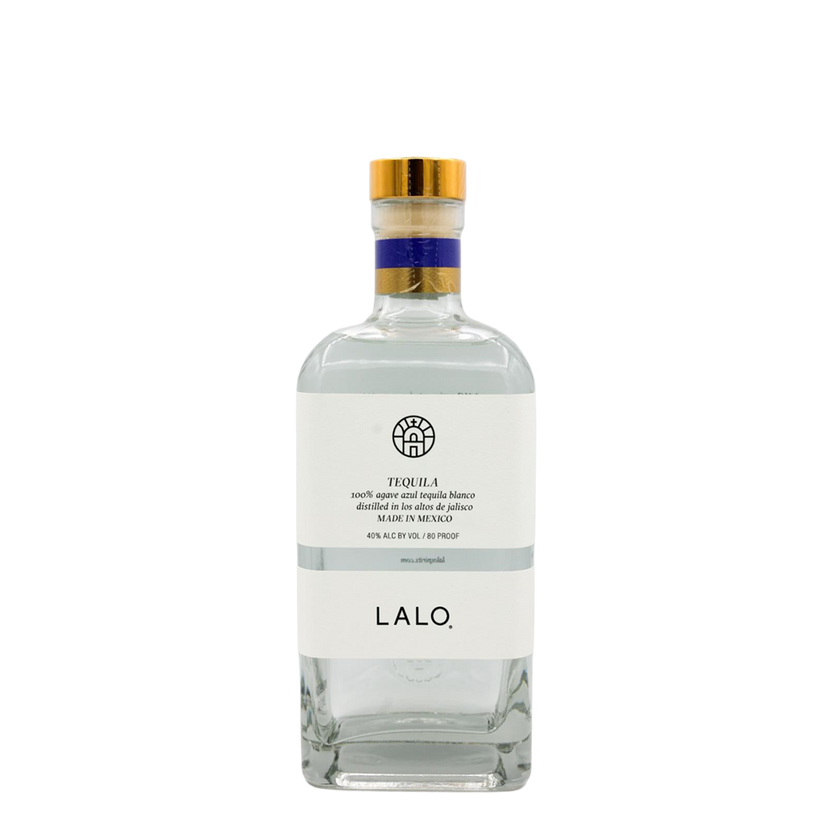
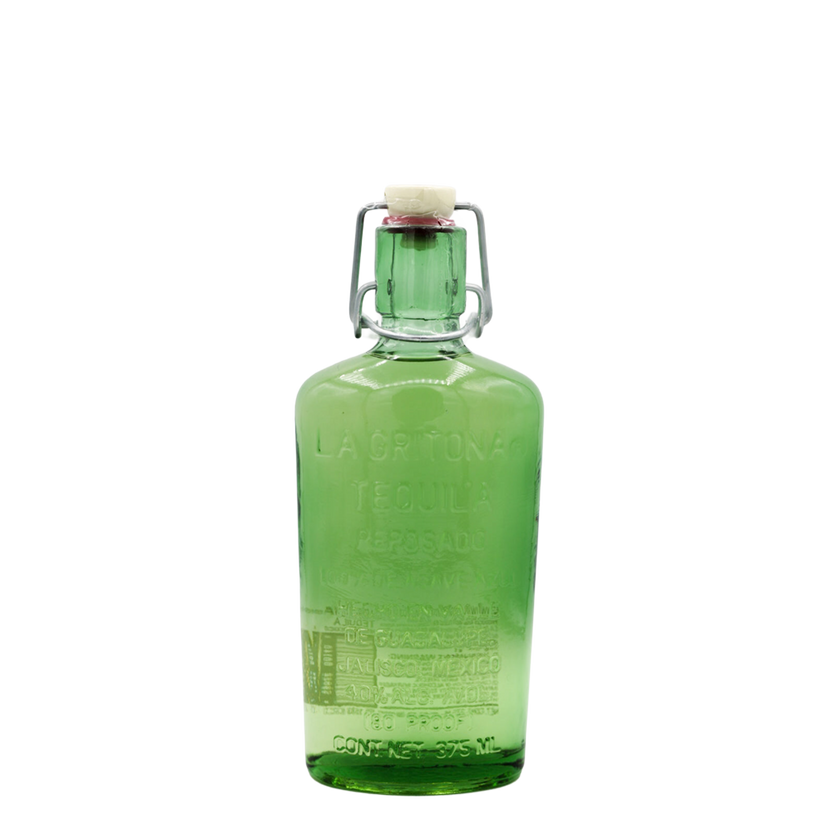
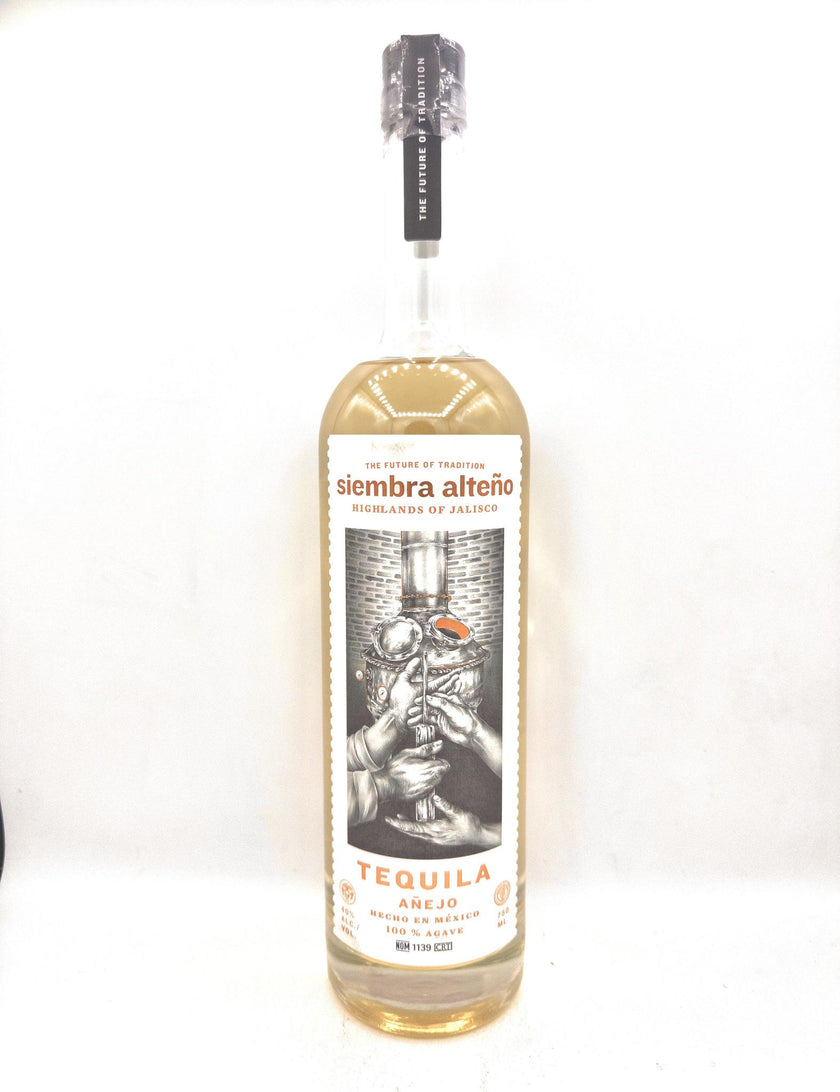
Blanco vs Reposado vs Añejo Side-by-Side
The legal categories are useful, but they’re only the beginning. Producer style, agave, proof, and barrel choices can make two bottles in the same category taste very different.
|
Style |
Minimum Ageing |
Typical Emphasis |
Common Uses |
|
Blanco |
None, or less than 2 months |
Fresh agave, citrus, herbs, pepper |
Margaritas, Palomas, sipping |
|
Reposado |
2-12 months |
Agave with added oak, spice, and texture |
Neat, on the rocks, cocktails |
|
Añejo |
1-3 years |
Deeper barrel influence and a rounder profile |
Neat, slow sipping |
Darker tequila usually means more time with wood, not better tequila. It also doesn’t mean more alcohol. Añejo can look richer and still carry the same proof as a blanco, so check the ABV and trust the producer more than the color.
How to Choose the Right Tequila Type
Start with how you want the tequila to taste:
-
If you like bright agave, citrus, herbs, and pepper, blanco is the obvious place to look.
-
If you want some vanilla, spice, and softness from the barrel without losing the agave completely, try reposado.
-
Añejo makes more sense when you’re after something richer and more oak-driven, especially if whiskey or aged rum is already in your wheelhouse.
What you’re doing with the bottle matters too. Blanco is terrific in a Margarita or Paloma. Reposado can move easily between cocktails and sipping. Añejo is usually opened when the bottle itself is the occasion.
Price doesn’t settle the choice. Look for “100% agave,” check the ABV, and pay attention to the producer. We’d rather send you home with a vivid blanco from a distillery we trust than a forgettable añejo in an impressive box.
Taste All Three Without Overcomplicating It
The fastest way to understand the difference is to put all three in front of you.
Pour a small amount of blanco, reposado, and añejo, in that order. Use the same kind of glass and keep the temperatures roughly similar. Otherwise, you’re comparing glassware and refrigerator time as much as tequila.
Notice where the agave is strongest, where the barrel begins to show, and which finish keeps you coming back. Drink water between pours and keep them modest. Three full glasses won’t improve anyone’s powers of observation.
There’s no winning bottle here. The point is to see what changes as the wood takes on a larger role and decide which version of tequila you actually want to drink.
FAQs
Which tequila type is the smoothest?
Many drinkers find aged tequila rounder, but smoothness also depends on production quality, alcohol level, and personal taste.
Is blanco or reposado better for Margaritas?
Blanco gives a brighter agave flavor, while reposado produces a rounder drink with some oak character. Both work well depending on what you're after.
Is añejo tequila stronger than blanco?
Not necessarily. Aging class and alcohol percentage are separate details, so always check the label.
Does darker tequila mean better tequila?
No. Darker color usually suggests more wood influence, not greater quality.
What does "100% agave" mean?
It means all fermentable sugars used to produce the tequila came from Blue Weber agave, with no other sugars added before fermentation.
Find the Tequila You’ll Actually Enjoy at Community Wine & Spirits
Blanco emphasizes fresh agave. Reposado balances agave and oak. Añejo leans further into barrel influence. Those distinctions hold, but the right bottle still comes down to your palate and how you plan to drink it. There's no aging hierarchy here, only preference.
If you'd like help finding a bottle that fits your taste and budget, our team at Community Wine & Spirits is glad to walk you through the options. We carry tequilas across all three styles at different price points, so you can compare for yourself without the guesswork.
Explore the tequila collection at Community Wine & Spirits and compare blanco, reposado, and añejo for yourself.


