

Wine advice has a long shelf life, even when it isn’t very good. Expensive means better. Reds stay at room temperature. Cork always beats screw cap. These wine myths get repeated so confidently that they start to feel like facts, which is unfortunate because wine has never been especially interested in behaving that neatly.
Price, producer, vintage, region, closure, and serving temperature all matter, but rarely on their own. A $25 bottle can be glorious. A warm red can taste flat. A screw cap can protect a very serious wine.
In this blog, we’re taking ten familiar bits of wine wisdom, keeping what holds up, and retiring what doesn’t. The goal is better bottles and fewer bad assumptions.
10 Common Wine Myths and the Facts Behind Them
We’ll take these one at a time, explain what holds up, and give you something useful for the next time you’re choosing, opening, or serving a bottle.
Myth 1: Every Wine Gets Better With Age
Most wine is made to be enjoyed young, often within a few years of release. Aging only helps when a wine has enough acidity, tannin, concentration, and balance to develop.
Time can soften tannins, change texture, and turn fresh fruit into earthier, more savory flavors. It can also turn a bright, lively Pinot Grigio into a tired bottle that should’ve been opened seven years earlier.
Takeaway: Before putting a bottle away for the long haul, ask whether it was actually built to age. Time is useful, but it isn’t magic.
Myth 2: A More Expensive Bottle Will Always Taste Better
Price can tell you plenty, but it can’t tell you whether you’ll love the wine.
Scarcity, vineyard costs, reputation, region, production methods, and aging potential can all push the price higher. None of that changes your palate. Someone who loves bright, juicy reds may get far more pleasure from a $22 Beaujolais than a powerful, cellar-worthy Cabernet costing several times as much.
That doesn’t make the Cabernet overpriced or the drinker unsophisticated. It means taste remains personal, which is one of the better things about wine.
Takeaway: Shop by producer, grape, region, body, and flavor profile. Price is useful information, but it’s only one part of the bottle.
Myth 3: Screw Caps Are Only Used on Cheap Wine
Plenty of serious wine comes under a screw cap. Producers across Australia and New Zealand have used them for decades because they provide a consistent seal and avoid the bottle variation associated with natural cork.
Cork still has advantages, especially for certain wines intended for long aging. But the closure is a winemaking decision instead of a quality grade.
Takeaway: Open the bottle and judge the wine. The sound it makes shouldn’t settle the argument.
Myth 4: Red Wine Should Never Be Chilled
Many red wines taste better slightly cool, and some practically ask for it.
Modern room temperature is often much warmer than the cellar conditions behind the old advice. At 72°F, a red wine can start to feel soft, heavy, and a little blurred. Pinot Noir, Gamay, Frappato, Cinsault, and plenty of lighter red wine blends become brighter and more refreshing after a short spell in the refrigerator.
Takeaway: Give a lighter red wine 20-30 minutes in the fridge. You can always let it warm in the glass, which is much easier than trying to rescue a bottle that’s already too warm.
Myth 5: Wine Legs Show That a Wine Is High Quality
Those streaks running down the glass may tell you something about alcohol, sugar, and surface tension. They won’t tell you whether the wine is any good.
Quality shows up in the glass through balance, aroma, texture, complexity, and the way the flavors hold through the finish. A wine can have dramatic legs and very little else to say.
Takeaway: Smell it, taste it, and see whether you want another sip. The glassware doesn’t need to vote.
Myth 6: Red Goes With Meat, and White Goes With Fish (Always)
Pairing has much more to do with weight, preparation, sauce, acidity, and spice than the color of the wine.
A light red wine can be wonderful with salmon. A serious white Burgundy may be far better with roast chicken or pork than the red wine someone opened out of habit. And quite often, the sauce has more to say about the pairing than the protein does.
Takeaway: Match the wine to the strongest flavors and overall weight of the dish. The red-with-meat, white-with-fish rule works sometimes, but not always.
Myth 7: Sweet Wine Is Cheap or Unsophisticated

Some of the world’s rarest and most painstakingly made wines are sweet. Late harvesting, frozen grapes, noble rot, and fortification can all shape how sweetness, flavor, and acidity come together, and none of it is especially easy to manage.
Great Vintage Port and Sauternes can be complex, age-worthy, and very expensive. Anyone who has tasted the good versions knows sweetness isn’t the problem. Poor balance is.
Takeaway: Judge a sweet wine by how its sugar, acidity, and structure work together. Dry doesn’t automatically mean more serious.
Myth 8: Rosé Is Always Made by Mixing Red and White Wine
Most rosé starts with red grapes. The juice spends a short time with the skins, picks up some color and flavor, and is then separated before it becomes a full red wine.
That brief skin contact can produce anything from the palest Provençal pink to something darker, fruitier, and more structured. Color alone won’t tell you whether the wine is dry, sweet, delicate, or serious.
Billecart-Salmon Champagne is the famous exception. Some producers make it by adding red wine to a white base wine, which Champagne’s rules allow.
Takeaway: Most rosé owes its color to grape skins, not a last-minute blend of whatever was open.
Myth 9: Every Sparkling Wine Is Champagne
Champagne is a sparkling wine, but sparkling wine isn’t automatically Champagne. The name belongs to wines made in the Champagne region of France under its specific rules.
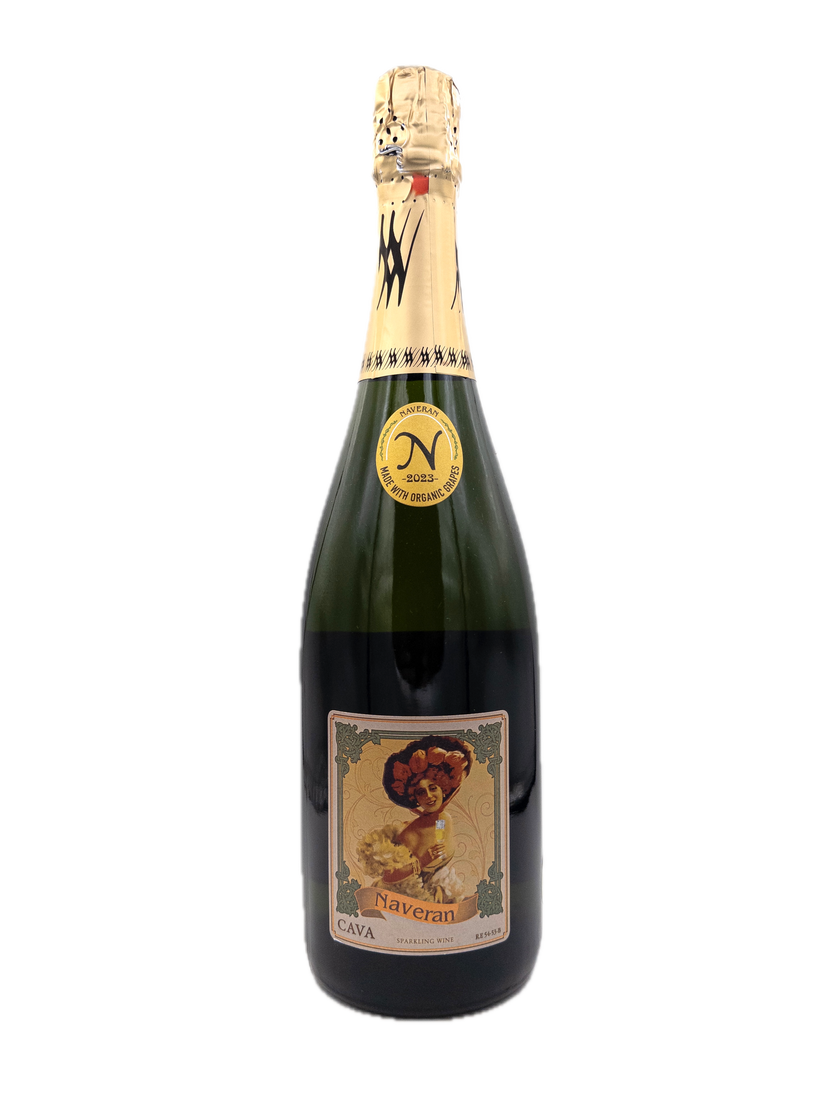
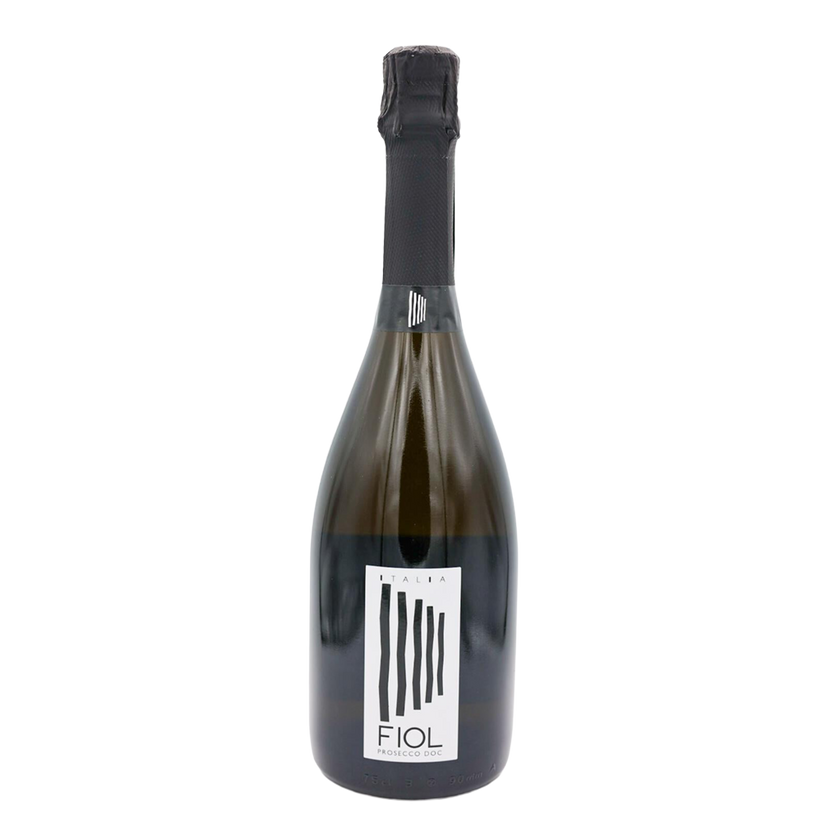
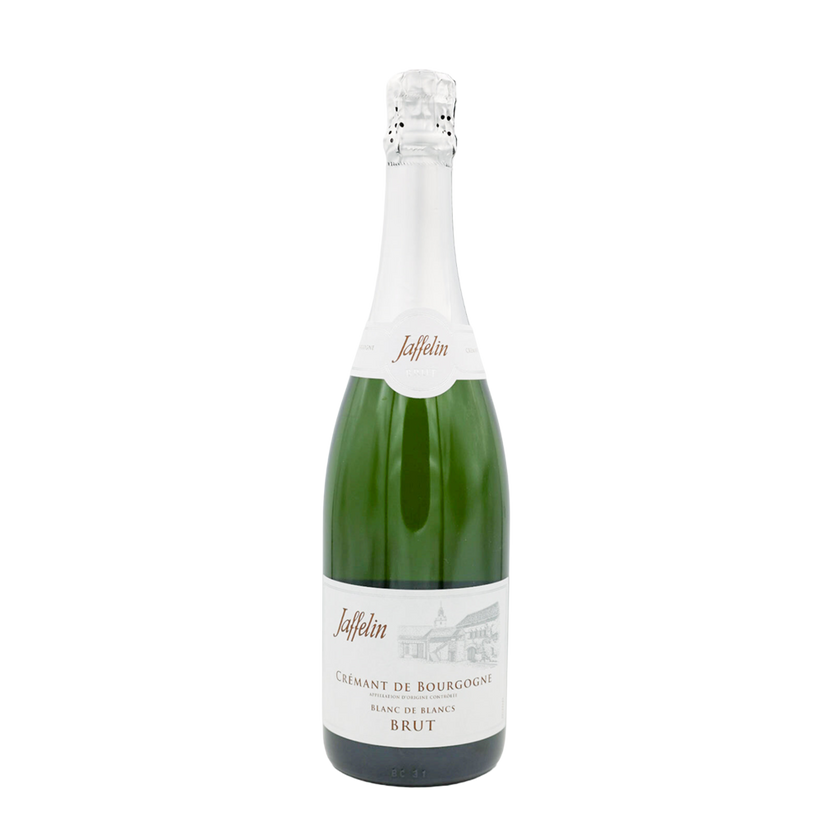
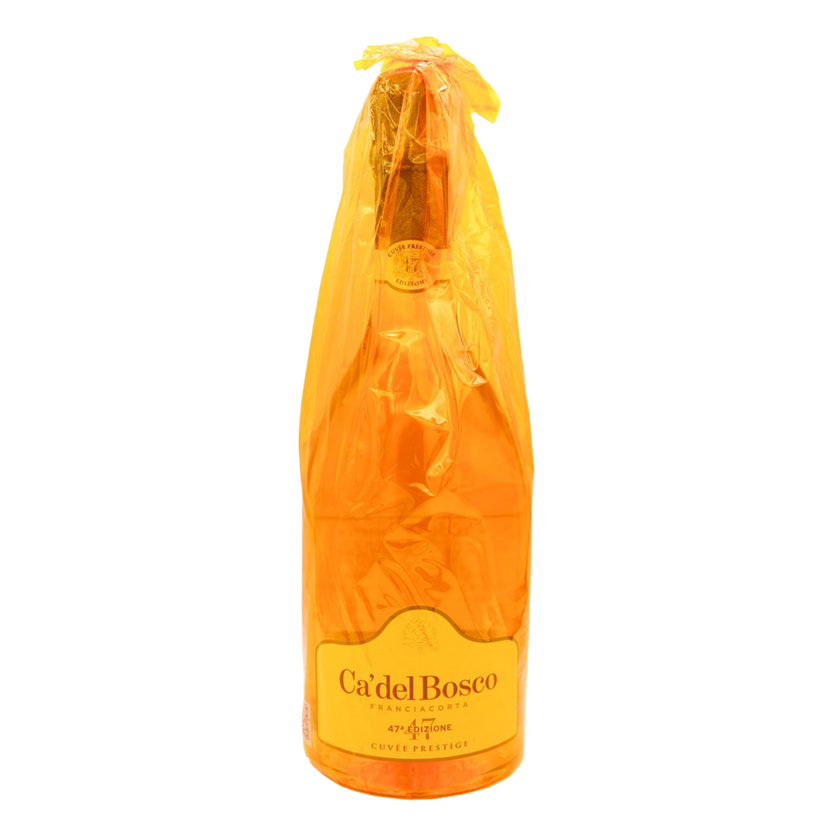
Cava, Prosecco, Crémant, Franciacorta, and American sparkling wine all come from different places and may use different grapes and production methods. Some are light and easy. Others can be as layered, age-worthy, and serious as plenty of Champagne.
Calling every bottle Champagne erases most of what makes the category interesting.
Takeaway: Check the region and style on the label. They’ll tell you far more than the presence of bubbles.
Myth 10: Every Red Wine Needs to Be Decanted
Decanting is useful when an older bottle has sediment or when a young, stubborn wine needs air. Beyond that, it’s optional.
Some powerful reds open beautifully after an hour or two. A mature Burgundy or Barolo may be far less cooperative and can lose its perfume before dinner reaches the table. Older wine has earned the right to be handled carefully.
The easiest approach is to open the bottle, pour a little, and taste it. The wine will usually tell you whether it needs more air.
Takeaway: Decant for a reason. Being red isn’t one.
In the end, the only rule that really matters is whether you enjoy what’s in your glass. The more myths you’re willing to question, the easier it becomes to find wines that genuinely fit your taste.
FAQs
Does the vintage tell you whether a wine is good?
It identifies the grape-growing year, but producer, region, grape, storage, and wine style all matter too.
Does‘corked wine’ mean wine with pieces of cork floating in it?
No. "Corked", or “cork taint”, refers to wine that’s been affected by the compound TCA, not cork fragments. TCA masks the usual fruitiness you would find in a wine, and replaces it with a really unenjoyable musty aroma and flavor.
Does chilling wine ruin it?
Temporary chilling doesn't ruin wine, though serving it too cold can hide aromas and flavors.
Is blended wine lower quality than single-grape wine?
No. Blending is a traditional method used to build balance, consistency, and complexity.
Do wine experts always agree on the best bottle?
No. Trained tasters can assess quality, but personal preference still shapes enjoyment.
Put These Wine Facts to the Test at Community Wine & Spirits

The real point of wine education isn't a longer list of rules. It's more options. Once you know that a screw cap says nothing about quality, that a light red can go in the fridge, or that a sweet wine can be one of the most complex glasses you'll ever try, your whole range of enjoyment expands.
We'd encourage you to compare closures, temperatures, styles, and pairings for yourself.
Stop by Community Wine & Spirits, ask the team about a style you haven't tried to test a few of these wine myths one glass at a time.


