

Wine etiquette has picked up a lot of unnecessary baggage. Somewhere along the way, serving wine got tangled up with rules about glassware, pouring order, decanters, and what you’re supposedly meant to notice in the glass. Most of it can relax.
What matters is much simpler. Serve the wine at a temperature that gives it a fair shot. Pour enough, but not half the bottle. Ask before topping anyone up. Keep water nearby. And let people enjoy the wine without turning dinner into a seminar.
In this blog, we will cover the parts worth knowing and leave the rest alone.
Prepare the Wine Before Your Guests Arrive
Before people arrive, open the cabinet and smell the glasses. They pick up more dust and old wood than anyone wants in a glass of Chablis.
-
Make sure the corkscrew works.
-
Chill anything that needs chilling.
-
Put water on the table.
-
Have something decent for guests who aren’t drinking.
A 750 ml bottle gives you about 5 normal pours. For a long dinner, we usually assume the first bottle will go faster than planned. Keep another cold and one more nearby if needed. The table should still look like a dinner table.
Serve Each Wine at a Temperature That Helps It Taste Its Best
“Red at room temperature, white ice-cold” was more useful advice when rooms were colder. In a heated NYC apartment, plenty of reds get too warm and muted. A white pulled from the coldest part of the fridge can taste like almost nothing for the first ten minutes.
These are good starting points:
-
Sparkling wine at 38-45°F
-
White and rosé at 44-55°F
-
Red at 55-68°F, with lighter reds on the cooler side
If the bottle’s too warm, let it sit in ice water for 15 minutes. If it’s too cold, just pour it and wait. Wine is fairly forgiving, and the first glass will usually tell you what it needs.
Open the Bottle Calmly and Decant Only When It Helps
Opening wine shouldn’t become the evening’s first performance.
-
Cut the foil.
-
Steady the bottle.
-
Ease the cork out.
-
Wipe the lip before you pour.
If it’s a screw cap, twist it open and get on with dinner. Plenty of very good wine comes that way.
Decanting is useful in two situations: when an older wine carries sediment that needs to be separated, and when a young, tight wine benefits from some air before drinking. It's not a requirement for every red.
Mature wine can lose its aroma surprisingly fast once opened, so taste before committing it to a decanter. Sparkling wine stays in the bottle (unless flat Champagne is somehow the plan).
Pour Wine Without Overfilling the Glass

Serve your guests first, then pour for yourself. There’s no need to revive old rules about who goes before whom. Just move around the table in whatever direction works.
Hold the bottle low, keep the neck away from the rim, and give it a small turn as you finish. 4-5 ounces is plenty, and less if several wines are coming on the table.
The empty space above the wine is there for a reason. It lets the aromas develop and keeps an enthusiastic swirl off the tablecloth. Before adding more, ask. Your guest may be taking their time, waiting for the next course, or simply ready to move on to the next bottle.
Follow a Simple Order When Serving More Than One Wine
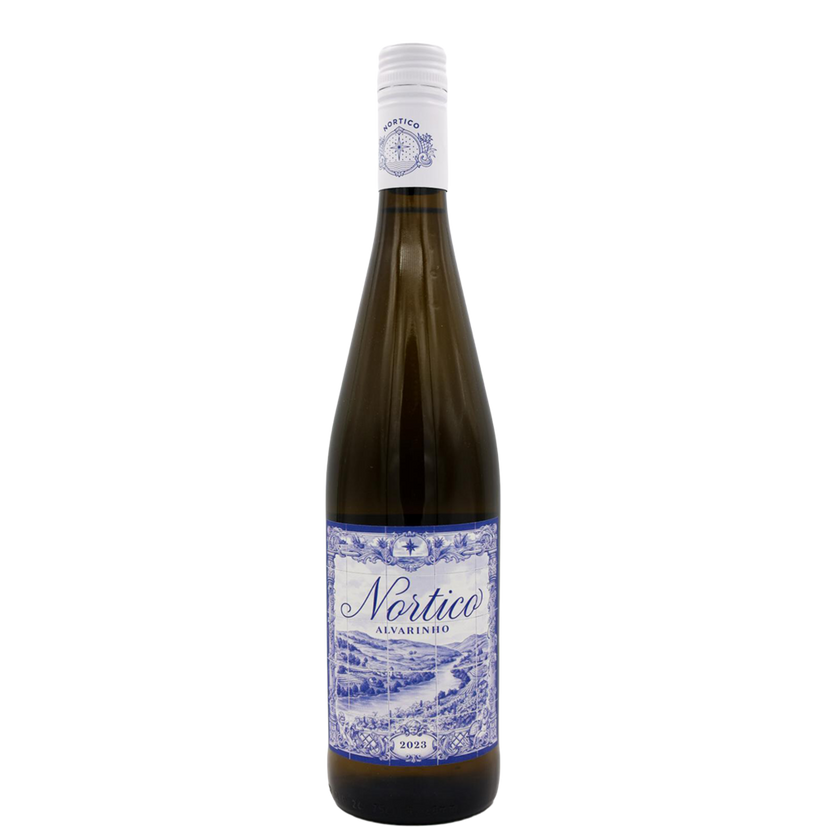
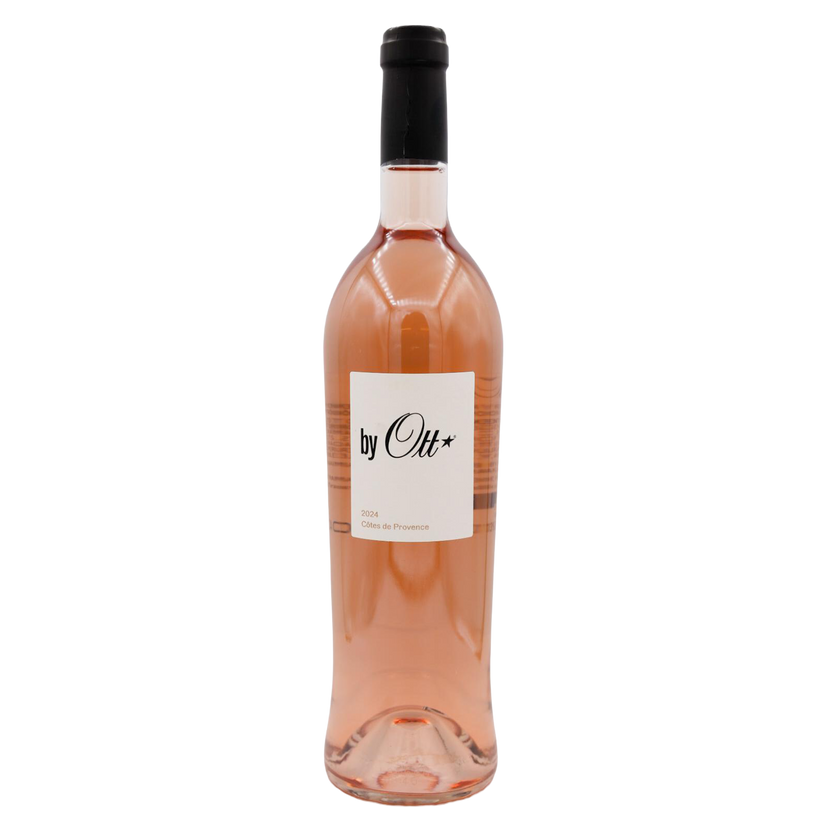
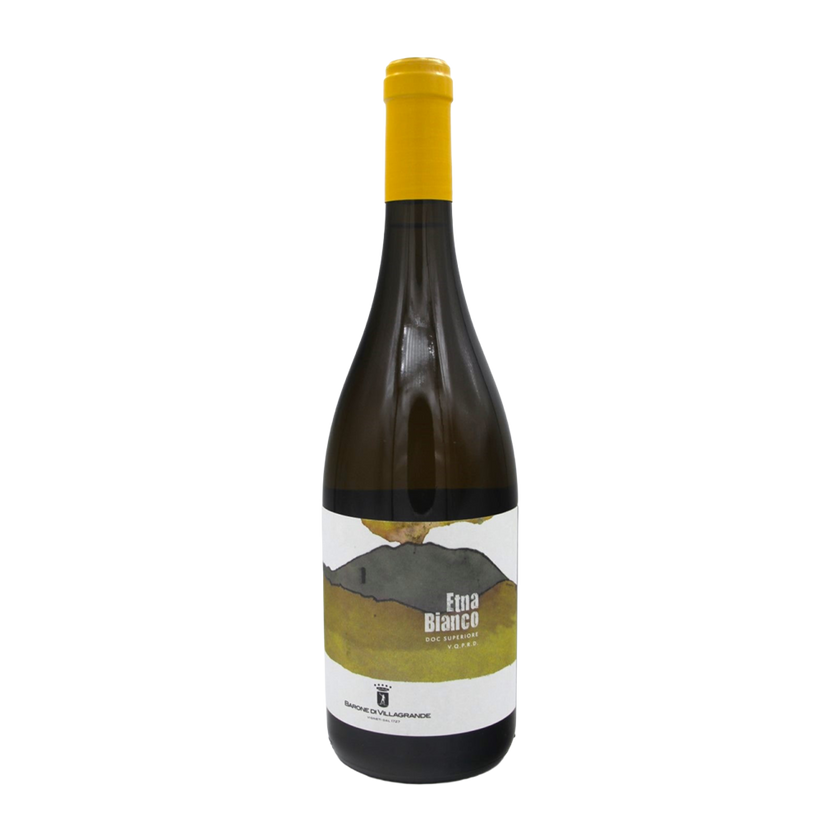
When serving wine across courses, a clear sequence helps each bottle show at its best. The general approach is light before full-bodied, dry before sweet, and white before red.
That sequence works because a delicate wine can disappear after something richer or sweeter. Still, the food and the pace of the meal matter more than any rule.
A practical sequence for a dinner party might look like this:
-
Sparkling wine with appetizers
-
Crisp white with a first course
-
Light red with a main course
-
Fuller red if a second main or cheese follows
-
Dessert wine, if offered, at the close of the meal
Avoid putting too many bottles on the table at once. Two or three wines across an evening are usually plenty.
Help Guests Enjoy Wine Without Turning Dinner Into a Class
Let people enjoy themselves. Give them a minute to look, smell, and sip, then you can share one thing worth knowing about the bottle, whether it’s the region, the grape, or why you chose that vintage. That’s usually enough to get the conversation going.
Holding a stemmed glass by the stem keeps body heat from warming the wine. Mention it if it comes up, but don’t turn anyone’s grip into a correction.
And please don’t tell a guest they’re tasting the wine wrong. If they find cherries and you find tobacco, both can live at the same table. Wine is more interesting when the whole table doesn’t agree.
Make Thoughtful Hospitality Part of Wine Etiquette
The wine etiquette rules that matter most aren't about glassware angles. They're about how guests feel at your table.
-
Put food out throughout the evening.
-
Keep water accessible.
-
Offer genuinely good alcohol-free drinks alongside the wine.
Never draw attention to a guest who declines wine, and don't pressure anyone to finish a glass or accept a refill. If the evening runs late, help guests think through safe transportation home.
When a guest brings a bottle, treat it as a host gift unless they've clearly indicated it was meant for the meal. Opening it immediately is not required. Real etiquette connects comfort and inclusion, and that's what separates a warm host from a merely technically correct one.
FAQs
Who should receive the first pour of wine?
Serve your guests first and pour your own glass last.
How full should a wine glass be?
A 4-5 ounce pour usually leaves enough space for aromas and swirling.
Should red wine be served at room temperature?
Most reds taste better slightly cooler than a typically heated room.
Do hosts have to open wine brought by a guest?
No, it may be treated as a host gift unless it was brought specifically for the meal.
Do all red wines need to be decanted?
No, decanting is useful only when aeration or sediment removal will help the wine.
Bring Better Bottles and Less Stress to Your Next Table

Good wine hosting tips come down to three things: preparation, sensible service, and genuine attention to your guests. Get the temperature right, pour with intention, keep the sequence logical, and let the wine do what it does.
The bottles you choose matter too. Matching wine to your menu, your group's taste, and your budget takes more thought than most people expect, especially across multiple courses.
Our team at Community Wine & Spirits is happy to help Chelsea hosts put together a dinner-party lineup that works for the table and leaves room in the budget for a second round.
Explore Community Wine & Spirits’ Staff Picks for building your next dinner-party lineup.


