

Building a home bar can get out of hand surprisingly fast.
You start by thinking, I’d like to make a decent Martini at home. Twenty minutes later, you’re looking at bottles of amaro, orange bitters, three kinds of rum, and something called crème de violette, wondering if you have somehow fallen behind.
You haven’t.
A good home bar starts small. A few versatile spirits, a couple of useful modifiers, some fresh citrus, and the basic tools will get you much further than a shelf full of bottles you rarely touch.
The easiest way to build one is to work backward from what you actually like to drink.
If you love Margaritas, tequila deserves a place early. If you order Old Fashioneds every chance you get, start with whiskey. If Martini night sounds better than Margarita night, gin and dry vermouth move right to the front.
Here’s how we would build a home bar from scratch, one useful bottle at a time.
Start Your Home Bar Setup With the Drinks You Like
Before you buy anything, think about the cocktails you already enjoy.
Pick three or four.
Maybe yours look like this:
-
Martini
-
Negroni
-
Margarita
-
Old Fashioned
Now look at what those drinks share.
A Martini and a Negroni both give gin plenty of work to do. An Old Fashioned puts whiskey at the center. A Margarita gives tequila a permanent job.
That is a much better way to shop than trying to check every spirit category off a list.
We use the two-drink rule. If you can already name two drinks you want to make with a bottle, it has probably earned some space.
This also means two great home bars can look completely different.
One person may have three kinds of rum and no vodka. Someone else may keep vodka, gin, and two vermouths around because Martinis happen more often than Mojitos.
Both sound pretty good to us.
5 Beginner Spirits That Build a Strong Foundation
If you want a broad, versatile starter bar, five base spirits give you an excellent foundation:
|
Spirit |
Good First Style |
Cocktails It Opens Up |
|---|---|---|
|
Gin |
Classic, versatile dry gin |
Martini, Gin & Tonic, Negroni, Gimlet |
|
Whiskey |
Bourbon or rye |
Old Fashioned, Manhattan, Whiskey Sour |
|
Tequila |
Blanco |
Margarita, Paloma, Ranch Water |
|
Rum |
White or lightly aged |
Daiquiri, Mojito, Cuba Libre |
|
Vodka |
Clean, versatile vodka |
Martini, Moscow Mule, Cosmo, Vodka Soda |
You certainly do not need to buy all five in one afternoon.
Three bottles that match the drinks you love will serve you better than five chosen because someone told you they were home bar essentials.
Gin: One Bottle, a Lot of Possibilities
Gin works hard in a home bar.
With one versatile gin bottle, you can make a Martini, Gin & Tonic, Negroni, Gimlet, Tom Collins, and plenty more.
For a first gin, we usually lean toward something with enough juniper and structure to stand up to tonic, citrus, vermouth, and bitter ingredients. Highly floral and experimental gins can be fantastic, but they make more sense once you know which direction you enjoy.
Plymouth Gin is a nice example of a bottle that moves comfortably between drinks. It’s a little earthier and softer than a very classic London dry style, which makes it easy to use in both long drinks and stirred cocktails.
If gin becomes your thing, that’s when exploring different botanical styles gets very fun.
We have more than 50 gin SKUs at Community Wine & Spirits, so this is a category we know reasonably well.
Whiskey: Start With Bourbon or Rye
Whiskey is another category that can expand quickly.
Bourbon, rye, Scotch, Irish whiskey, Japanese whisky, single malt, blended whiskey. There’s plenty of time for all that.
For your first home bar bottle, bourbon or rye is the easiest place to begin.
Bourbon tends to bring a rounder profile with notes like vanilla, caramel, oak, and spice. It feels right at home in an Old Fashioned and works beautifully in a Whiskey Sour or Manhattan.
Rye generally gives you more spice and a slightly drier feel. If Manhattans and Boulevardiers are high on your list, rye is a very appealing choice.
Woodford Reserve Kentucky Straight Bourbon is the kind of bottle that earns its keep because it works in cocktails and still feels perfectly comfortable poured over ice or enjoyed on its own.
You can always add rye later.
That second whiskey bottle feels much more exciting once you know exactly why you want it.
Blanco Tequila: The Easy Starting Point
For a beginner home bar, blanco tequila is usually the most useful place to start.
It keeps the fresh agave character front and center and works beautifully with lime, grapefruit, soda, and orange liqueur.
That gives you:
-
Margaritas
-
Palomas
-
Ranch Water
-
Tequila Soda
Espolon Blanco is a good example of what we mean by a useful first tequila. It is straightforward, agave-driven, and particularly comfortable in Margaritas.
Reposado and añejo can come later if you start enjoying tequila neat or want more oak and richness in your cocktails.
For the first bottle, blanco keeps your options wide open.
Rum: Start With the Daiquiri
Rum may be the category most likely to surprise a beginner.
There is white rum, lightly aged rum, dark rum, Jamaican rum, agricole, overproof rum, spiced rum, and plenty in between.
The easiest first move is a white or lightly aged rum with enough flavor to still show up in a cocktail.
Then make a Daiquiri.
A proper Daiquiri is simply rum, lime, and sugar, and it is one of the best ways to understand what your bottle actually tastes like.
That same rum can take you into Mojitos, Cuba Libres, and plenty of highballs.
Once you start noticing which rum styles you prefer, adding a Jamaican bottle or an aged rum becomes much more interesting.
That is where the category really opens up.
Vodka: One of the Most Useful Bottles
Vodka doesn’t always get the most enthusiastic treatment in spirits conversations.
We think it deserves a little more appreciation.
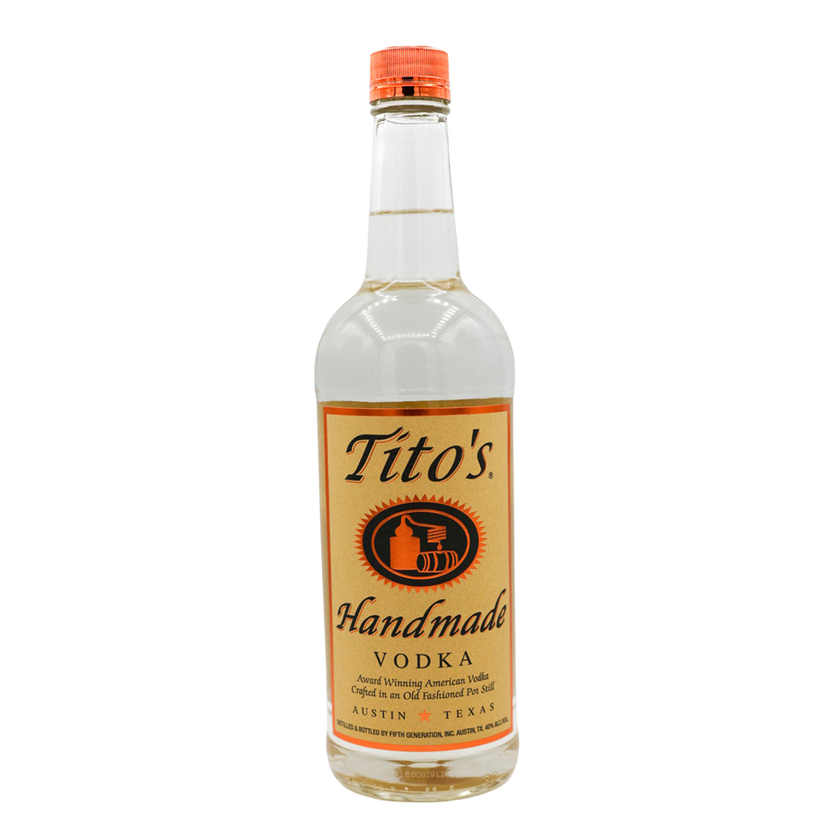
Its clean profile means other ingredients get plenty of space. Ginger can lead in a Moscow Mule. Coffee gets the stage in an Espresso Martini. Vermouth and garnish become more noticeable in a Vodka Martini.
It is also very easy to pour with soda and citrus when you want something simple.
Ketel One makes sense in this role. It is clean and classic with a little citrus and gentle sweetness, so it works easily across a lot of drinks.
Sometimes a bottle earns its place by being dramatic.
Sometimes it earns it by getting along with everyone.
Bottles That Turn Spirits Into a Cocktail Bar

Once your base spirits are in place, a few modifiers dramatically expand what you can make.
Dry Vermouth
If you like Martinis, dry vermouth belongs near the top of the list.
It brings herbal, floral, citrus, and savory notes that make gin or vodka much more interesting.
One thing worth remembering: vermouth is wine.
Once you open it, keep it in the refrigerator.
If you only make Martinis occasionally, a smaller bottle can be especially helpful. A 375ml bottle of Dolin Dry Vermouth is a very practical size because you have a better chance of enjoying it while it’s still fresh.
Your Martini will appreciate the effort.
Sweet Vermouth
Sweet vermouth opens a different set of doors:
-
With whiskey, it gives you a Manhattan.
-
With gin and Campari, it gives you a Negroni.
-
With whiskey and Campari, you have a Boulevardier.
That’s a lot of mileage from one bottle.
Dolin Rouge is a versatile starting point and, like dry vermouth, belongs in the refrigerator once opened.
Orange Liqueur
If Margaritas appear regularly in your house, orange liqueur moves up the list quickly.
It also plays a role in Sidecars, Cosmopolitans, and all kinds of sour variations.
Cointreau is a classic option for this slot. It has enough orange character to stand out while staying dry and balanced enough for a wide range of drinks.
You may buy it for Margaritas, and then you start noticing how often it gets pulled off the shelf.
A Bitter Aperitivo
This one depends entirely on what you like.
If you enjoy Negronis, Boulevardiers, spritzes, or bitter Italian aperitivo drinks, a bottle like Campari earns a place quickly.
One bottle unlocks a surprising number of cocktails, which is exactly what we want from an early home bar purchase.
If bitter drinks are not yet your thing, this bottle can happily wait.
Aromatic Bitters
Aromatic bitters may be the smallest bottle in the setup and one of the hardest-working.
A few dashes can bring spice, complexity, and structure to an Old Fashioned, Manhattan, and many other classics.
One aromatic bottle is plenty to start.
The Bitter Truth Old Time Aromatic fits neatly into that role. Once you find yourself making more drinks that call for bitters, orange bitters can be a very useful second addition.
There is no need to start with a collection of twelve tiny bottles unless that sounds genuinely fun to you.
What Can You Make With This Starter Bar?
This is where the whole setup starts to feel rewarding.
With a handful of spirits and modifiers, your cocktail list gets long very quickly.
|
Cocktail |
What You Need |
|---|---|
|
Martini |
Gin or vodka + dry vermouth |
|
Negroni |
Gin + sweet vermouth + Campari |
|
Old Fashioned |
Bourbon or rye + bitters |
|
Manhattan |
Bourbon or rye + sweet vermouth + bitters |
|
Margarita |
Blanco tequila + orange liqueur |
|
Daiquiri |
Rum + lime + sugar |
|
Gimlet |
Gin + lime |
|
Whiskey Sour |
Whiskey + lemon + sugar |
|
Moscow Mule |
Vodka + ginger beer + lime |
|
Paloma |
Tequila + grapefruit + soda |
|
Boulevardier |
Whiskey + sweet vermouth + Campari |
That is why modifiers can be such smart purchases.
Buying sweet vermouth may unlock three or four cocktails you already want to make. Buying another bottle of whiskey may simply give you another whiskey.
Both are enjoyable, but one expands the menu faster.
Mixers and Fresh Ingredients Matter Too
A home bar full of beautiful bottles still needs a few things from the kitchen.
Fortunately, this part stays simple.
We would keep:
-
Lemons
-
Limes
-
Simple syrup or sugar
-
Club soda
-
Tonic water
-
Ginger beer
Then add according to what you drink.
Paloma person? Keep grapefruit around.
Martini person? Olives and lemons will probably get some work.
Mojito person? Mint becomes a regular grocery item.
A good rule here is the same one we use for bottles: buy for drinks you actually make.
Fresh citrus will improve your cocktails more than an obscure mixer you bought because the label looked good.
Although we have certainly bought things because the label looked good too.
The Only Bar Tools a Beginner Really Needs
Bar tools can become their own hobby, but you can start with a very short list.
You need:
-
A cocktail shaker
-
A jigger
-
A strainer
-
A bar spoon
-
A citrus juicer
A mixing glass is useful if you love Martinis, Manhattans, Negronis, and other stirred drinks, though a sturdy glass vessel can get you started.
And then there’s ice.
Use plenty of it. Fresh, solid ice chills a drink efficiently and makes shaking or stirring much easier.
At Community Wine & Spirits, we also carry barware like shakers, mixing glasses, and cocktail spoons if you want to build out the setup without buying one of those enormous kits containing three mysterious tools you may never identify.
Home Bar Setup: Give Everything a Job
Your home bar doesn’t need to look like a hotel lounge. It can be a shelf, a cabinet, a tray on the counter. A bar cart works great if you have the room. Set it up around how you’ll actually use it.
Keep the bottles you grab most within easy reach. Put your jigger, shaker, and spoon nearby. Keep vermouth in the refrigerator and fresh citrus in the kitchen. Glassware can sit nearby if there’s room.
Spirits are happiest away from strong heat and direct sunlight, so choose a cool, shaded spot when you can.
The goal is simply to make cocktail night easy.
Build Your Home Bar in Three Stages

One of the nicest things about a home bar is that there’s no reason to finish it all at once.
Grow it slowly and with intention.
Stage 1: Build Around Three Drinks
Choose three cocktails you love.
If those are Martini, Negroni, and Gin & Tonic, start with gin, dry vermouth, sweet vermouth, Campari, and tonic.
If you are a Margarita and Paloma person, tequila, orange liqueur, citrus, and grapefruit may be almost everything you need.
Old Fashioned and Manhattan drinkers can begin very happily with one whiskey, bitters, and sweet vermouth.
That already feels like a bar.
Stage 2: Add the Other Base Spirits
Once you start making drinks regularly, fill in the categories that sound interesting.
Add rum because you want to make Daiquiris. Pick up vodka because Espresso Martinis keep happening. Try rye because you want to compare it with bourbon in a Manhattan.
At this point, each new bottle has a reason for being there.
Stage 3: Follow Your Curiosity
This is the really fun part.
Maybe one bourbon turns into an interest in rye, or maybe blanco tequila leads you toward reposado or mezcal.
Maybe that first rum sends you toward agricole, or aged expressions.
Gin can become its own universe very quickly (trust us on this one)
Then come amari, coffee liqueurs, specialty bitters, fortified wines, and the bottles you buy because somebody handed you a drink one night and you immediately wanted to know what was in it.
A home bar starts as a setup, but eventually, it can become a record of all your favorites.
FAQs
How many bottles do I need to start a home bar?
Three versatile spirits plus the modifiers needed for your favorite cocktails can make an excellent starter bar. Five base spirits give you broader cocktail coverage.
Should a beginner buy bourbon or rye whiskey?
Bourbon is a very versatile starting point for Old Fashioneds, Whiskey Sours, and Manhattans. Rye is a great choice if you enjoy a spicier, drier style.
Do I need both gin and vodka?
Only if you enjoy drinks from both categories. Gin brings botanical character, while vodka gives other ingredients more room to lead.
Is blanco or reposado tequila better for a starter bar?
Blanco is usually the most versatile first bottle because it works so naturally in Margaritas, Palomas, Ranch Water, and other fresh, citrus-driven drinks.
What should I add after the basic spirits?
Dry vermouth, sweet vermouth, orange liqueur, aromatic bitters, and a bitter aperitivo will expand your cocktail options very quickly.
Build a Home Bar Around What You Love to Drink
Start with a few spirits that suit your favorite cocktails, then add the modifiers that open up the recipes you want to try. Let the rest come naturally.
And if you want some help choosing those first few home bar essentials, come see us at Community Wine & Spirits. Tell us what you like to drink, whether that is Margaritas, Martinis, Manhattans, or something else entirely.
We can take it from there.


