

Champagne feels entirely at home at a wedding. The pop of the cork, the first pour, and a roomful of raised glasses all make the celebration feel a little more complete.
Choosing the bottle is part of the pleasure. The toast, cocktail hour, dinner, cake, and the bottle saved for the couple can each ask for something slightly different. Style, menu, guest count, budget, and personal taste all matter, but none should turn buying Champagne into another difficult item on the planning list.
In this blog, we will help you choose the right bottles for the way you plan to celebrate, whether that means one memorable toast or bubbles poured throughout the day.
Choose the Moment Before You Choose the Bottle
Before looking at price, decide where the bottle will be poured. Champagne for a quick toast only needs to make a strong first impression. A bottle served through dinner has to stay lively beside the food. The one saved for the couple can be more personal and needn’t please 150 guests.
Before choosing anything, think about:
-
Is it for the welcome drink, the toast, dinner, or more than one?
-
What else will guests be drinking?
-
What’s on the menu?
-
Is the wedding outdoors in summer or indoors in winter?
-
Will one sparkling wine carry the celebration, or will different moments have different bottles?
Once the Champagne has a clear place in the day, the style, quantity, and budget become much easier to judge.
Does It Need to Be Champagne?
Champagne has earned its place at weddings. The name belongs only to sparkling wine made in France’s Champagne region, and the history, ritual, and pleasure of opening a bottle can matter every bit as much as what’s in the glass.
That doesn’t mean every pour has to be Champagne. Crémant, Cava, Franciacorta, Prosecco, and other well-made sparkling wines aren’t consolation prizes. They come from different grapes, regions, and traditions, with styles that range from lean and mineral to soft, fruity, and generous.
Champagne may be exactly right for the toast or the couple’s table. For a large reception, another sparkling wine may let you pour more freely without sacrificing the sense of occasion. The point is to decide where Champagne will be appreciated most, then choose the rest of the bottles just as thoughtfully.
How to Choose the Right Champagne Style

Champagne labels become much less mysterious once you know which words matter. They describe the wine’s style, sweetness, grapes, and vintage, not a ladder from ordinary to impressive.
Brut and Non-Vintage
For most weddings, we'd happily start here.
Brut is dry, fresh, and broadly useful, though it isn’t the driest Champagne designation. Non-vintage Champagne draws on more than one harvest to preserve a producer’s house style, which is why it works so well for toasts, cocktail hour, and receptions.
Blanc de Blancs and Blanc de Noirs
If you enjoy lighter, more citrus-driven sparkling wines, Blanc de Blancs is often a beautiful fit.
Blanc de Noirs, made from dark-skinned grapes, usually brings a little more body, fruit, and richness. One isn’t better than the other. They simply suit different meals and different tastes.
Rosé Champagne
Rosé Champagne earns its place on flavor alone.
Many rosé Champagnes offer fresh berry flavors and enough structure to pair comfortably with food. And despite the color, rosé isn’t automatically sweet. Choose it because you enjoy the style, not because it matches the flowers.
Vintage and Prestige Cuvées
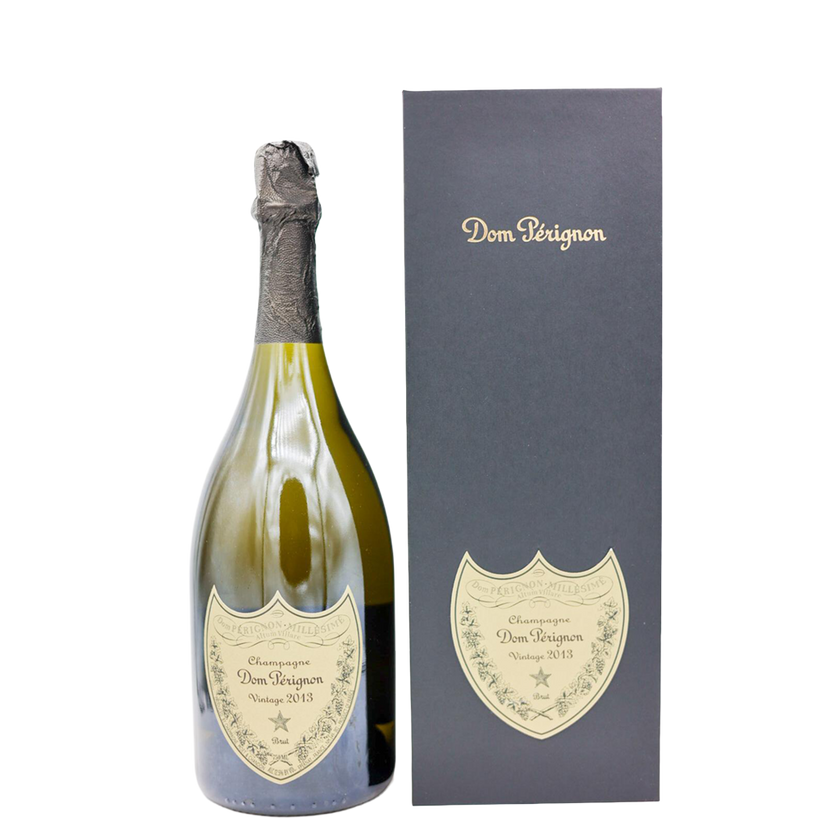
Vintage Champagne comes from a single harvest, while prestige cuvées are the bottles producers make when they want to show the full extent of their cellar, vineyards, and ambition.
They can be brilliant for a small dinner, a wedding gift, or the bottle the couple keeps for themselves. For a crowded toast, much of that detail is likely to pass unnoticed. The difference is far easier to appreciate over dinner than in a roomful of raised glasses.
Extra Brut, Brut Nature, and Demi-Sec
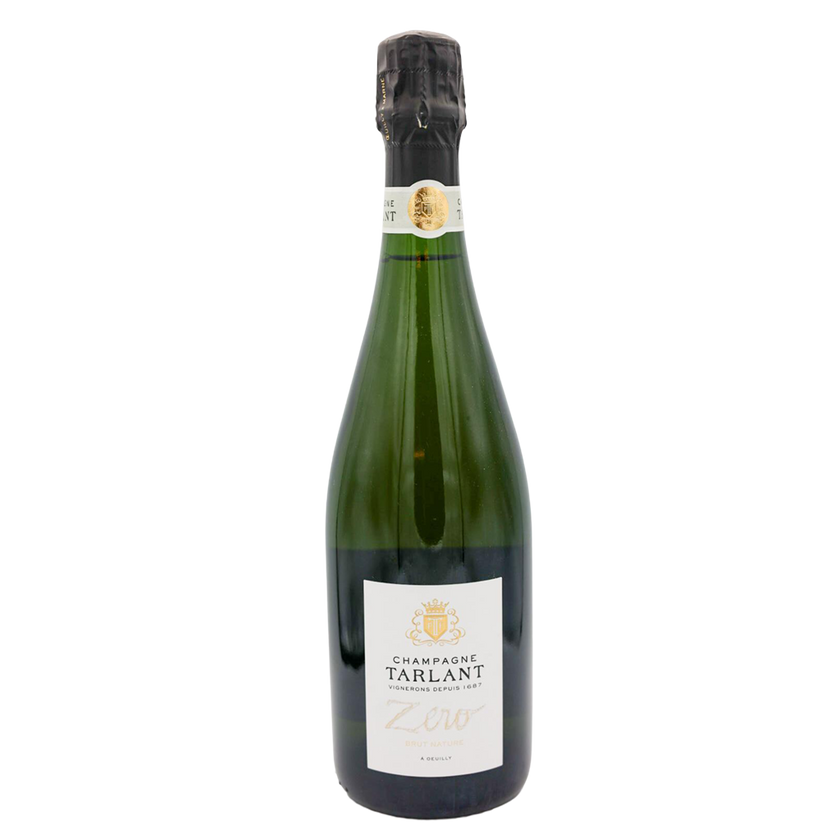
These words tell you how dry the Champagne will be. Extra Brut and Brut Nature are drier than Brut. Demi-Sec has noticeably more sweetness, which is exactly why it usually gets along better with wedding cake.
Very dry Champagne beside a sweet dessert can suddenly taste thin and sharp. “Demi-Sec” may be one of the smaller details on the label, but at the cake table, it matters quite a lot.
Best Champagne for Each Part of a Wedding

One celebration can easily justify more than one sparkling wine. The trick is giving each bottle the job it does best.
Welcome Pour or Wedding Toast
For the first glass, look for something dry and lively. Non-vintage Brut Champagne or another well-made dry sparkling wine usually gets it right. Freshness matters more here than a famous label.
A toast also needs less wine than people tend to assume. Three-ounce pours are plenty once every glass is raised.
Cocktail Hour or Dinner
Once food arrives, the choice can become more specific. Blanc de Blancs is excellent with oysters, seafood, lighter appetizers, and fresh cheeses. Blanc de Noirs, rosé Champagne, and fuller sparkling wines have more breadth for poultry, richer sauces, and savory dishes.
At this point, the menu should be doing most of the choosing.
Cake and Dessert
Very dry Champagne and very sweet cake rarely do each other any favors. The dessert can make the wine taste sharper, while the wine leaves the cake seeming sweeter still.
Demi-Sec is often the better bottle for fruit, cream, and buttercream. A little sweetness here isn’t a concession. It’s the reason the pairing works.
Gifts and Intimate Celebrations
Buying one bottle for two people is a different pleasure from buying enough for two hundred. You can follow personal taste rather than broad appeal.
Vintage Champagne, rosé, a prestige cuvée, or a large-format bottle can be brilliant for an engagement, anniversary, or bottle reserved for the couple. This is where character and story matter more than pleasing the entire room.
How Many Bottles of Champagne Do You Need for a Wedding?
Start by counting the adults who are likely to enjoy sparkling wine. Then decide how many pours each guest will receive.
As a practical guide:
-
One 750ml bottle provides about six four-ounce pours.
-
For smaller three-ounce toast pours, expect roughly eight servings.
If wine, cocktails, or beer will also be served, you may need less Champagne than you first imagined.
Before placing the order, confirm your venue's policies on corkage, chilling, storage, opening, glassware, and service. And don't forget guests who prefer nonalcoholic options. Everyone deserves something festive in hand when the glasses are raised.
How to Budget for Wedding Champagne
A thoughtful budget nearly always tastes better than an impressive one.
If possible, taste two or three finalists before making a larger purchase. Many couples discover they actually prefer the more approachable bottle once it's enjoyed with food and good company.
A dependable Brut or quality sparkling wine can easily serve the guest reception, while a more distinctive Champagne can be reserved for the couple or immediate family.
If you're purchasing 12 eligible wines, Community Wine & Spirits applies an automatic 10% case discount. Sale items are excluded, and the discount can’t be combined with other offers. Full details are available on the Case Discount page.
FAQs
How much Champagne do I need for a wedding toast?
One 750ml bottle serves about six four-ounce pours; confirm guest count, venue pour sizes, and your service plan.
Is Champagne the same as sparkling wine?
No. Champagne comes exclusively from France's Champagne region, while sparkling wines are produced in many different regions worldwide.
What Champagne style works for most wedding guests?
Non-vintage Brut is usually the safest starting point because its fresh, balanced style suits toasts, appetizers, and mixed preferences.
Can I serve Cava, Crémant, or Prosecco at a wedding?
Absolutely. Each offers its own personality and can be an excellent choice when it matches your celebration and budget.
What Champagne goes with wedding cake?
Demi-Sec often pairs better than Brut because its sweetness stays balanced alongside dessert instead of tasting sharp.
Choose the Right Champagne for Your Wedding
The best celebration bottle isn't always the most expensive one or the one with the most recognizable label. It's the one that feels right for the people gathered around it, the meal being shared, and the memories being made.
Whether you're planning an intimate engagement dinner or raising glasses with hundreds of guests, choosing with purpose will always feel more rewarding than choosing for prestige alone.
Explore the Champagne collection at Community Wine & Spirits and choose a bottle that fits the people, the moment, and the way you plan to pour it.


