

If you want to see whether wine glasses really matter, try this at home.
Open a bottle you know reasonably well and pour a little into three things: a regular tumbler, a standard wine glass, and the biggest, most generous wine glass you own. Smell each one before you taste.
Same bottle. Same wine. Very different introduction.
One glass may make the fruit jump out. Another might bring forward spice, flowers, or something earthy you barely noticed before. In the tumbler, everything can feel a little more crowded together.
The wine hasn’t changed. The way you’re experiencing it has.
That comes down to a few fairly simple things: how much room the wine has, how aromas collect above it, how quickly it warms, and how the glass feels when you drink from it.
Once you understand those basics, all those different wine glass shapes start looking a lot less mysterious.
Why Wine Glass Shapes Change What You Taste
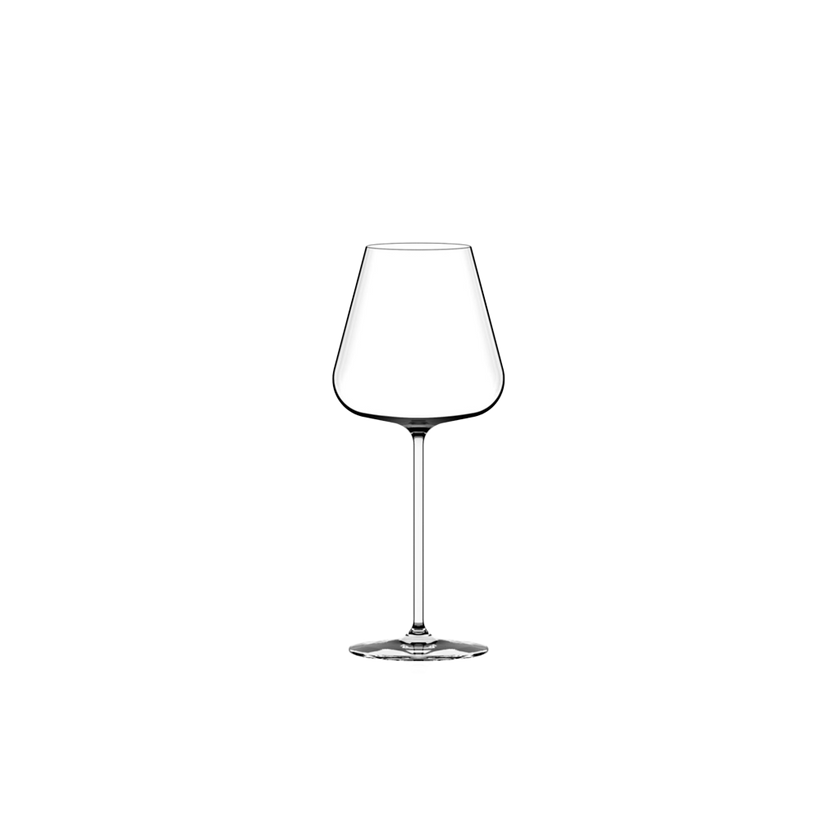
Most useful wine glasses are doing some version of the same job. They give the wine room, create space above the pour for aromas, and then narrow toward the top so those aromas have somewhere to collect.
From there, the details change.
A Wider Bowl Gives the Wine More Room
Pour wine into a broad bowl and you create more surface area between the wine and the air. You also have enough room to swirl without sending half the bottle across the table.
That extra space is especially useful with wines that have a lot to say.
A young Cabernet may start with plenty of dark fruit, tannin, oak, and spice packed tightly together. A generous bowl gives the aromas room to emerge.
Pinot Noir benefits for a different reason. Its appeal is often in the finer details, things like red fruit, flowers, earth, herbs, and spice, so a broad bowl can help you notice more of them.
This is also why we leave plenty of empty space in a wine glass.
A giant bowl filled almost to the rim is mostly a very elegant cup.
A Tapered Opening Keeps Aromas Close
Look at most well-designed wine glasses from the side. The bowl gets wider and then curves inward near the top.
That curve matters.
The wider part of the glass gives aromas room to rise. The narrower opening helps keep them near your nose instead of letting everything drift immediately into the room.
That balance between space and focus is one of the biggest reasons the same wine can smell so different from one glass to another.
A Stem Helps With Temperature
The stem has a very practical job. It gives your hand somewhere to go.
That matters when you’re drinking Champagne, rosé, Riesling, Muscadet, Sauvignon Blanc, or anything else you would rather keep cool. Hold a stemless glass through a long conversation and the warmth from your hand gradually moves into the wine.
A red served closer to room temperature is less sensitive to that. A crisp white can show the change more quickly.
And About That Old Tongue Map
You may have heard that different glasses send wine toward different parts of the tongue, perhaps toward the “sweet” area or away from the “bitter” one.
Thankfully, we can retire that explanation.
Taste receptors are not neatly divided into those old textbook zones. Rim shape can still change how quickly the wine flows, how large a sip you take, and even the angle of your head, but the real value of wine glass design has much more to do with aroma, temperature, headspace, and the overall drinking experience.
That is plenty for one glass to accomplish.
How Wine Tastes in Different Types of Wine Glasses

There are enough specialized wine glasses in the world to make a kitchen cabinet nervous.
You do not need all of them. Still, the major shapes exist for good reasons, and tasting the same wine across a few of them can be fascinating.
Here is the quick version.
|
Glass Type |
What It Tends to Emphasize |
Wines to Try |
|---|---|---|
|
Universal |
Balance and versatility |
Red, white, rosé, sparkling |
|
Bordeaux |
Structure and deeper aromas |
Cabernet, Merlot, Syrah |
|
Burgundy |
Perfume and aromatic detail |
Pinot Noir |
|
Nebbiolo/Barolo |
Structure with aromatic precision |
Barolo, Barbaresco |
|
Standard white |
Freshness and focused aromas |
Riesling, Sauvignon Blanc, Muscadet |
|
Full-bodied white |
Texture and richer aromatics |
Chardonnay, Viognier |
|
Rosé |
Fresh fruit and cool temperature |
Dry rosé |
|
Sparkling tulip |
Aroma and bubbles together |
Champagne, traditional-method sparkling |
|
Flute |
Effervescence and presentation |
Sparkling wine |
|
Coupe |
Open aromatics and celebration |
Sparkling wine, cocktails |
|
Dessert wine |
Concentrated aroma and smaller pours |
Port, Sauternes, Madeira |
|
Tasting glass |
Consistent comparison |
Almost any wine |
|
Stemless |
Casual versatility |
Red, white, rosé |
Universal Wine Glasses: The One-Glass Solution
A good universal glass sits somewhere between the extremes.
It usually has a medium-sized bowl, enough room for an easy swirl, and a gentle taper toward the top. That makes it one of the best wine glasses for anyone who wants a simple setup at home.
Pour Cabernet into it and you still get useful room for the wine to open. Pour Riesling into the same glass and the aromas stay nicely focused. Rosé works. Chardonnay works. Plenty of sparkling wine works too.
Will a great Pinot Noir reveal a little more in a broad Burgundy bowl? Quite possibly.
For most Tuesday nights, a well-made universal glass is a wonderful place to be.
Bordeaux Glasses: Give Structured Reds Some Space
Bordeaux glasses are generally tall with large bowls. They work beautifully with Cabernet Sauvignon, Merlot, Bordeaux blends, Syrah, and other structured reds.
This is where that extra room really earns its place.
A Cabernet poured into a small white wine glass can feel compact. Move it into a larger red wine glass, and you have more space to swirl, more headspace for aroma, and a much easier time picking apart the fruit, spice, cedar, herbs, and other details in the wine.
For this style, we carry the Italesse Montalcino T-Made 70, a large glass designed for aromatic and structured red wines. It is also the official wine glass of the Brunello di Montalcino Consorzio, which feels like a pretty good vote of confidence for anyone who enjoys serious Italian reds.
Burgundy Glasses: Let Pinot Noir Stretch Out
A Burgundy glass is hard to miss. The bowl is broad, round, and often impressively large.
Pinot Noir tends to reward that space.
The grape can be intensely aromatic without feeling heavy. Depending on where it comes from and how it was made, you might find cherry, raspberry, flowers, herbs, mushrooms, forest floor, spice, or a dozen other things happening quietly at once.
A wide bowl helps those aromas emerge. The curved top then gathers them back toward your nose.
Try the same Pinot in a straight tumbler and a proper Burgundy bowl sometime. It is one of the more entertaining glass comparisons you can do at home.
Nebbiolo and Barolo Glasses: Power Meets Perfume
Nebbiolo is one of our favorite examples of why glass shape gets interesting.
Barolo can have plenty of tannin and structure, yet the aromas can be wonderfully delicate and detailed: roses, cherries, herbs, earth, tar, spice.
So you want room, but you also want focus.
The Italesse T-Made 75 Piemonte was designed specifically with Barolo in mind and works particularly well with structured reds that still have a delicate aromatic side.
Do you need a Barolo glass to drink Barolo? Of course not.
If Barolo and Barbaresco are regular visitors to your table, though, this is the kind of specialization that can become very easy to appreciate.
Standard White Wine Glasses: Keep Things Bright and Focused
White wine glasses are usually smaller and narrower than red wine glasses.
That suits wines like Sauvignon Blanc, Riesling, Pinot Grigio, Albariño, and Muscadet beautifully.
The smaller bowl helps the wine stay cool, while the narrower shape keeps fresh citrus, fruit, flowers, herbs, and mineral aromas relatively concentrated.
Pour the same crisp white into a very broad red glass, and you may notice it warming faster. Its aromas can also feel a little more spread out.
For a bright, precise white, that extra focus can be lovely.
Full-Bodied White Wine Glasses: Chardonnay Likes Room Too
Not every white wine wants a small bowl.
A rich Chardonnay, white Burgundy, Viognier, or another textured white often has more going on than simple freshness. You may have ripe orchard fruit, stone fruit, oak, spice, leesy notes, creaminess, or a broader texture.
Give those wines a little more room, and they can become wonderfully expressive.
The Italesse Sardegna T-Made 55 is designed with textured white wines in mind, which makes it a useful example of the middle ground between a narrow white glass and a huge red bowl.
If you drink a lot of Chardonnay or other fuller whites, this is one specialist shape that can earn its cabinet space fairly quickly.
Rosé Glasses: Keep It Simple and Fresh
Most rosé is very happy in a standard white wine glass or a good universal glass.
A slightly smaller bowl helps the wine stay cool and keeps its fruit, citrus, floral, and herbal notes focused.
For a light Provence-style rosé, we would usually lean toward something on the smaller side. A deeper, more structured rosé can take a little more room.
Either way, rosé is generous. It rarely asks you to rearrange the cupboard on its behalf.
Sparkling Tulips: Give Champagne Room to Smell Like Wine
This is one place where our preferences have changed over the years.
A very narrow flute does a wonderful job showing off bubbles, but good Champagne has much more going on than bubbles.
There may be citrus, apple, flowers, brioche, toast, nuts, chalk, spice, or layers that develop as the wine sits in the glass.
A sparkling tulip gives you enough width to actually smell those things while still keeping an elegant, relatively narrow shape.
The Italesse Masterclass 28 Sparkling Xtreme takes the idea one step further with a tiny laser-engraved point inside the glass that helps encourage a steady stream of bubbles.
It is a small detail, but Champagne drinkers tend to enjoy small details.
Champagne Flutes: Still Great at What They Do
The flute deserves some appreciation.
Its tall, narrow shape keeps the wine’s exposed surface relatively small and shows off that long stream of bubbles beautifully. For a toast, a wedding, or a room full of people holding sparkling wine, a flute still looks terrific.
For serious tasting, we usually appreciate a little more bowl.
For celebration, the flute remains very good company.
Champagne Coupes: Sometimes Fun Wins
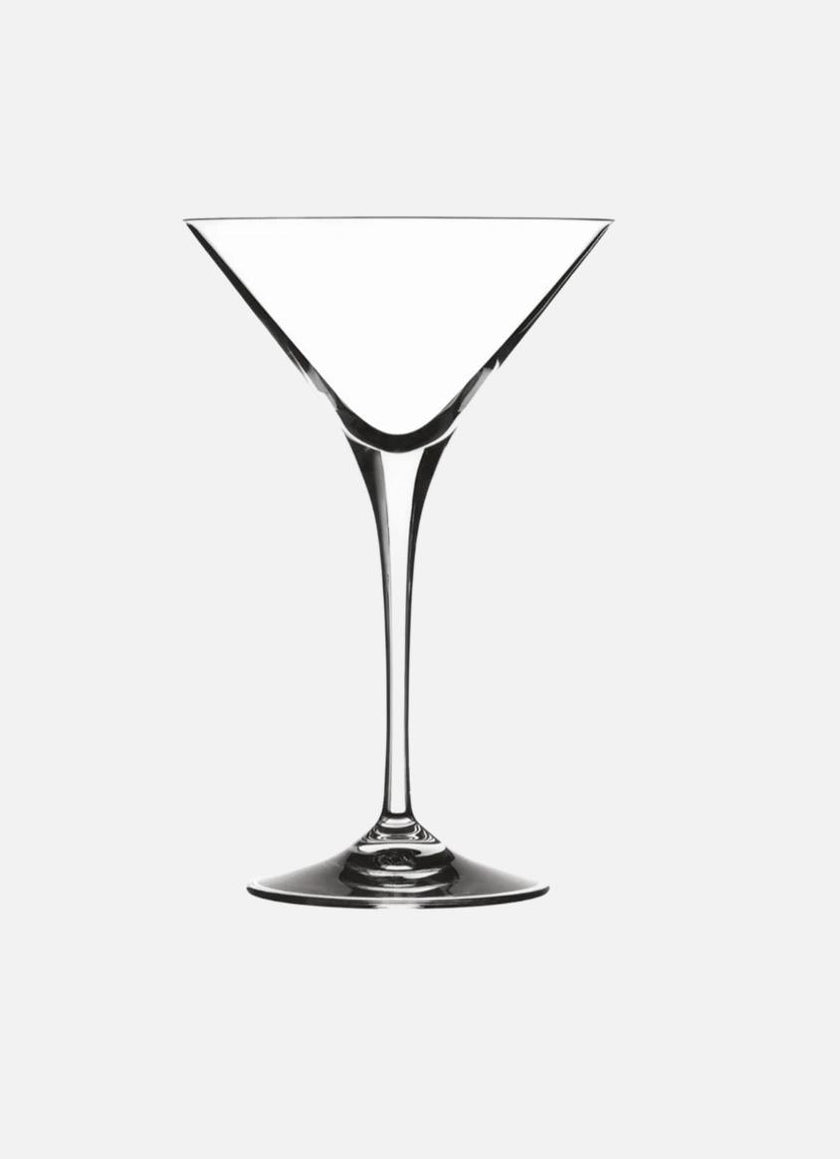
A coupe gives sparkling wine lots of exposed surface and very little aroma concentration.
The bubbles tend to disappear sooner, and the wine feels completely different from the same Champagne in a flute or tulip.
And yet, put a coupe in someone’s hand at a party and nobody looks particularly disappointed.
Wine has a practical side and a romantic side. We are happy to make room for both.
Dessert and Fortified Wine Glasses: Smaller Can Be Just Right
Port, Madeira, Sauternes, and other sweet or fortified wines are usually served in smaller pours, so their glasses tend to be smaller as well.
A little taper still helps gather aroma, which matters when a wine is packed with dried fruit, nuts, spice, flowers, citrus peel, or all the other things these bottles can deliver.
If you only open dessert wine occasionally, a smaller white wine glass works perfectly well.
Your cabinet may send us a thank-you note.
Wine Tasting Glasses: Consistency Matters Most
Professional wine tasting glasses usually have a modest tulip shape rather than anything especially dramatic.
There is a reason for that.
When you are tasting several wines side by side, the goal is consistency. You want each wine served under similar conditions so that the comparison is as fair as possible.
That is different from choosing a specialist glass designed to flatter a particular style.
A wine tasting glass is saying, “Show me what you’ve got.”
A Burgundy bowl is a little more like, “Come in, get comfortable, tell me everything.”
Both are useful.
Stemmed vs Stemless Wine Glasses
This question comes up a lot, and the answer is pleasantly simple.
Stemless glasses are completely capable of holding very good wine.
If the bowl is well shaped, you still get many of the same aromatic benefits. The main difference is temperature because your hand sits directly around the glass.
That matters more with chilled whites, rosé, sparkling wine, and lighter reds served cool.
Stemless also has some real advantages. It is stable, easy to store, and very friendly to picnics, patios, boats, pools, and any table where fragile stems feel like an unnecessary adventure.
That is exactly where something like the Italesse Air Beach Party Stemless Glass comes in. It is lightweight, portable, and dishwasher-friendly, so we think of it as a glass for relaxed drinking rather than formal tasting.
Good wine is allowed to go outside.

FAQs
Does wine really taste different in different glasses?
Yes. Glass shape can change how aromas collect, how much air the wine sees, how quickly it warms, and how you experience each sip, which can make the same wine seem noticeably different.
Can I drink red wine from a white wine glass?
Absolutely. A smaller glass gives the wine less room to swirl and open, but the wine will still be perfectly enjoyable.
Can I drink white wine from a red wine glass?
Yes. Rich whites can be especially expressive in a larger bowl, while delicate chilled whites may warm a little faster.
Are expensive wine glasses worth it?
A beautifully made glass can feel lighter, more balanced, and more enjoyable to use, but shape, comfort, clarity, and suitability for the wine matter more than price alone.
What wine glass should I buy if I only want one kind?
A medium-sized universal glass with a gently tapered bowl is the most useful choice for drinking a wide range of reds, whites, rosés, and sparkling wines.
Choose Wine Glasses for the Wines You Love
The most useful thing to remember is that a wine glass is there to help the wine show itself.
A larger bowl can give a structured red wine room to open. A narrower glass can keep a bright white cool and focused. A sparkling tulip can let Champagne keep its bubbles while giving all those wonderful aromas somewhere to go.
From there, the right choice gets personal.
Start with what you actually drink. Add another shape when you can see, smell, and taste a reason for it.
And if you want to explore further, we carry a broad selection of Italesse wine glasses at Community Wine & Spirits, from versatile everyday options to more specialized shapes for red, white, and sparkling wine.
We are always happy to help you find the glass that suits the bottles you already love.
Because the best wine glass is not the one with the longest description.
It is the one you keep reaching for.


