

We've watched this happen more times than we can count. Someone walks into the shop looking for a Scotch and says, "I think I like Highland whisky." So we pour two Highland bottles. One is bright with orchard fruit and honey, the other carries coastal salt, spice, and a gentle wisp of smoke. The surprise is always the same: How can these both be Highland?
That’s when the conversation gets interesting.
Scotland’s whisky regions are incredibly helpful, but they’re just a starting point. The map tells you where a whisky comes from. The casks, the peat, and the distillery’s choices tell you how it came to taste the way it does.
In this blog, we'll tour Scotland's five official Scotch whisky regions, explain their traditional flavor signatures, and show where the map helps and where the bottle matters more.
What a Scotch Whisky Region Can and Cannot Tell You
When people first discover Scotch, the regions feel like a shortcut. In many ways, they are.
Scotland has five officially recognized whisky regions: Highland, Speyside, Islay, Lowland, and Campbeltown. A regional name tells you where the whisky was made, and it may point toward traditions commonly associated with that area. It doesn’t guarantee what will be waiting in the glass.
A bottle from Islay isn't automatically intensely smoky. Highland doesn't automatically mean rich and spicy. Even within the same region, two neighboring distilleries can produce remarkably different whiskies.
We like to think of regions as the opening chapter of the story. The tasting notes, cask type, peat level, and production style tell you the rest.
Scotland's Five Scotch Whisky Regions
The profiles below describe characteristics that appear regularly across each region. They’re useful patterns, not instructions every distillery has agreed to follow.
Highland Scotch: Scotland's Broadest Range

If one region refuses to be put into a tidy box, it's Highland.
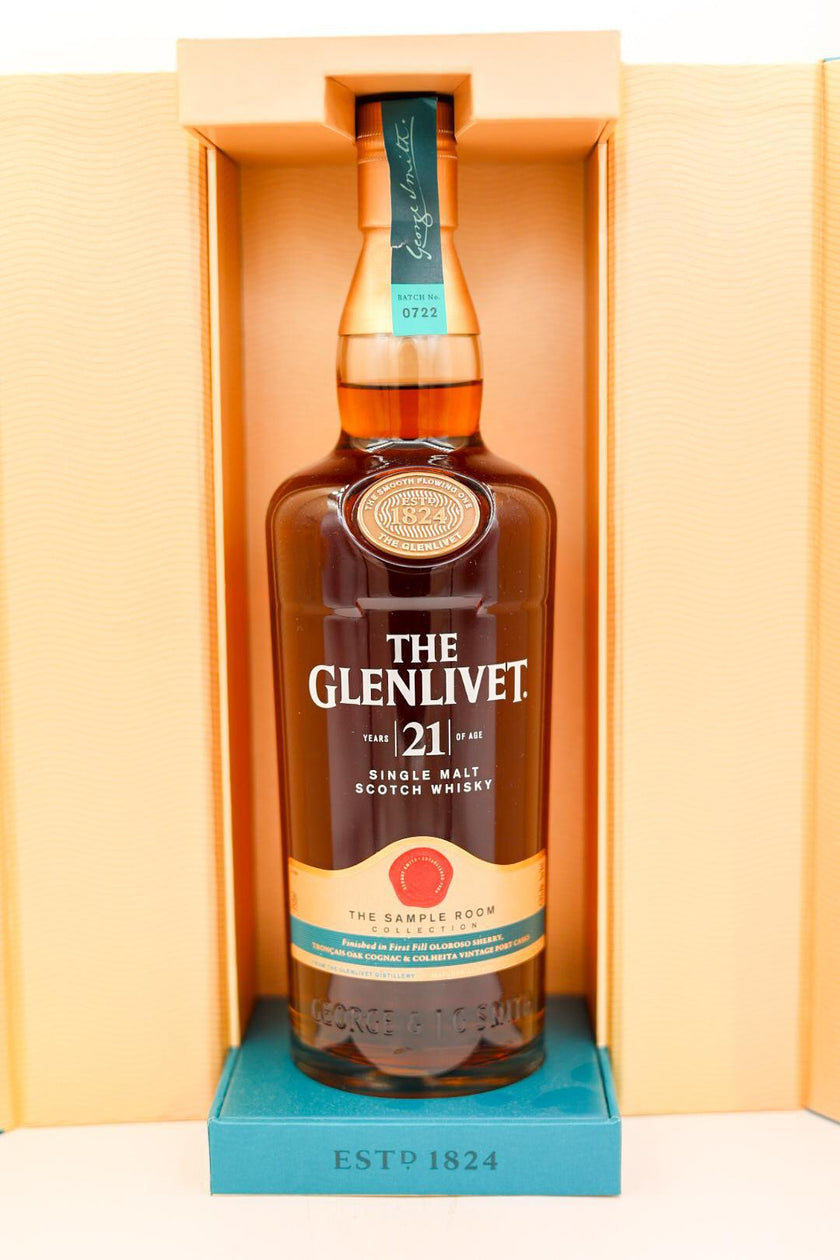
As Scotland's largest whisky region, Highland Scotch stretches across an enormous landscape, and the whiskies reflect that diversity. Some are floral and elegant, others rich with malt and baking spice. Coastal distilleries may lean toward salty freshness, while western examples can carry noticeable smoke.
When someone tells us they enjoy Highland Scotch, our next question is always, "What kind?" That second description (fruity, coastal, spicy, lightly smoky) is often more useful than the regional name itself.
Speyside Scotch: Fruit, Honey, and Cask Influence
If Highland is Scotland's broadest conversation, Speyside is one of its most welcoming introductions.
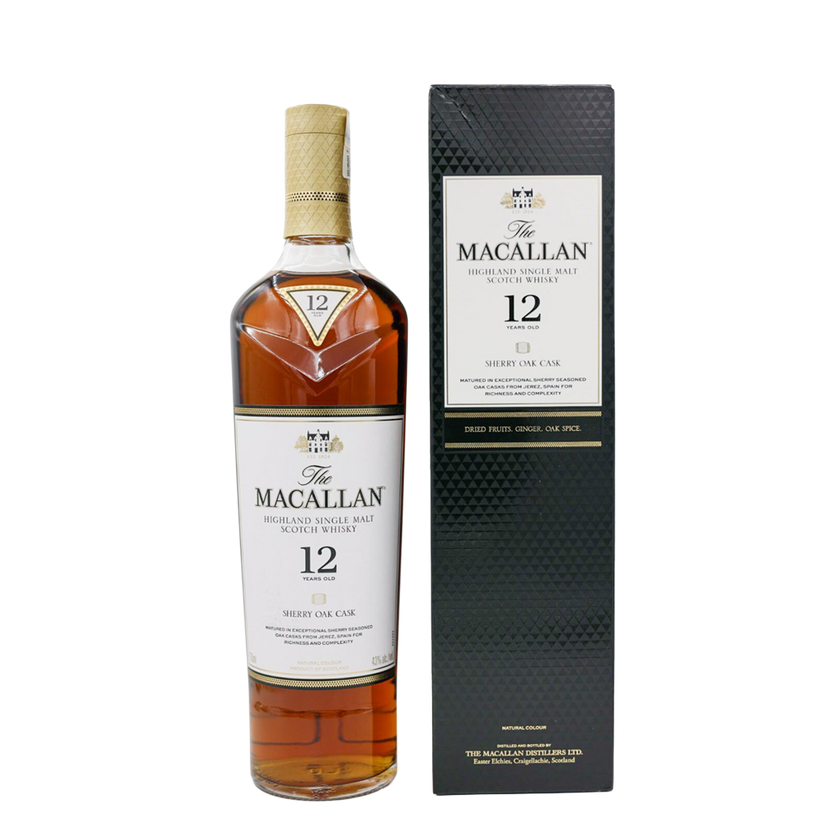
Many Speyside whiskies are known for orchard fruit, honey, vanilla, pear, dried fruit, gentle spice, and elegant oak. Sherry casks are common here, adding richness without overwhelming the whisky.
That doesn't mean every Speyside Scotch is soft or completely unpeated. There are always exceptions. But if someone tells us they enjoy fruit-forward, approachable single malts, Speyside is usually where we begin exploring together.
Islay Whisky: Peat Smoke With Important Exceptions
Pronounced "eye-luh," Islay whiskey has earned its legendary reputation.
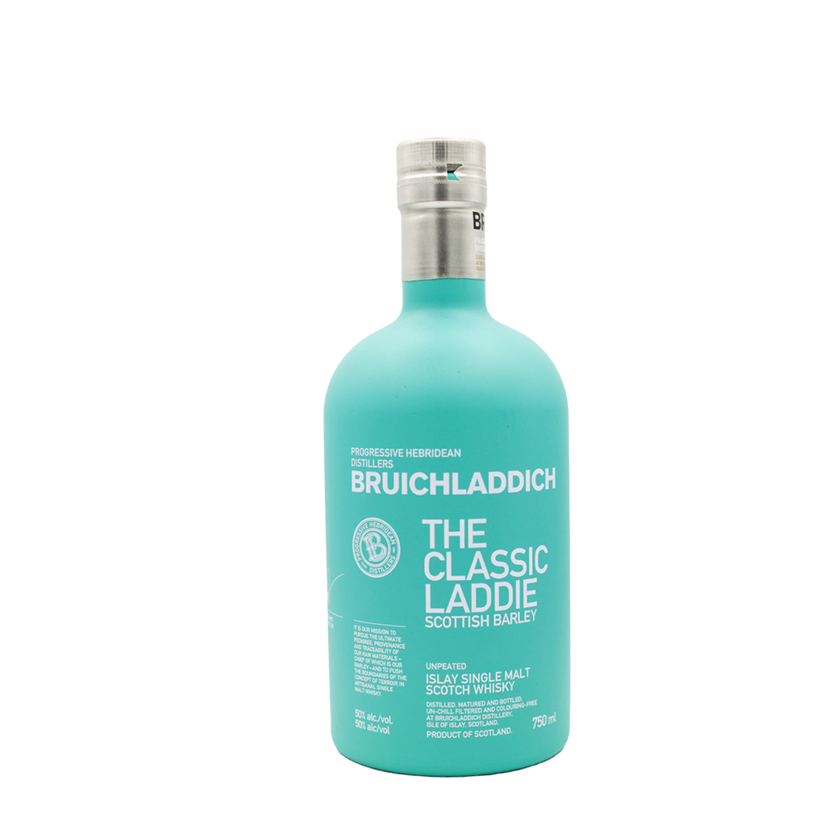
Many whiskies from this small island offer bold peat smoke, sea spray, citrus, iodine-like aromas, and briny character. It's a style that tends to create lifelong fans, or wonderfully animated conversations.
The smoke comes from peat burned while drying malted barley, not from waves breaking over the warehouse walls. Coastal maturation may shape how we experience the whisky, but the peat begins much earlier in production.
Islay also refuses to follow its own stereotype completely. Some distilleries make fresh, fruit-led whiskies with little peat or none at all. The island is famous for smoke, but it has never been limited to it.
Lowland Scotch: Lighter Traditions, Growing Diversity
Lowland whiskies have long been associated with lighter flavors, such as fresh grass, flowers, citrus, cereal notes, and gentle fruit.
Today, however, the region is becoming much more diverse. New distilleries are experimenting with different fermentation methods, casks, and production styles, so "Lowland" no longer guarantees a delicate whisky.
Think of the traditional profile as a helpful introduction rather than a promise.
Campbeltown Scotch: Small Region, Big Personality
Campbeltown may be Scotland's smallest whisky region, but it has one of the biggest personalities.
Many whiskies from here combine oily texture, coastal salt, malt, dried fruit, vanilla, toffee, and a touch of smoke. Enthusiasts sometimes describe Campbeltown whiskies as "funky," but that isn't a requirement or a measure of quality.
With relatively few distilleries, each producer's character becomes especially important. It's one of those regions where individual bottles deserve your full attention.
What About the Islands?
This is one of the most common questions we hear.
Despite appearing in many whisky conversations, the Islands are not an official Scotch whisky region. Island distilleries outside Islay belong to the broader Highland region, although names such as Skye, Orkney, Mull, or Arran are perfectly useful local descriptions.
More importantly, island whiskies don't share one dependable flavor profile. Some are lightly floral, others richly smoky, and many sit somewhere comfortably in between.
Why Two Whiskies From One Region Can Taste Completely Different
Once you've explored a few bottles, you quickly discover that geography only explains part of the story.
Peated or unpeated malt changes the whisky dramatically. So do bourbon barrels, sherry casks, wine casks, fermentation length, still shape, maturation time, bottling strength, and blending decisions.
That's why we encourage our customers not to shop by region alone.
Instead, use the region to narrow your search, then read the tasting notes. A bottle described as orchard fruit, honey, toasted oak, or coastal smoke will usually tell you more about the experience waiting in the glass than the map ever could.
Choose Scotch by Flavor First, Then Use the Region
When someone asks us where to begin, we start by asking what they already enjoy:
-
Do bright orchard fruits appeal to you? Speyside is a wonderful place to begin.
-
Love rich malt, spice, or coastal character? Explore Highland.
-
Curious about peat smoke? Islay deserves your attention.
-
Prefer something lighter and fresher? Lowland offers excellent possibilities.
-
Looking for something robust and distinctive? Campbeltown rewards adventurous drinkers.
The region gets you close. Flavor descriptors, peat level, and cask information help you find the bottle you'll actually love.
Taste the Regions Side by Side

One of our favorite ways to learn about Scotch is to compare rather than memorize.
Instead of opening five bottles at once, choose three whiskies with clearly different personalities. Begin with the lightest, move toward richer or smokier styles, and taste each one neat before adding a few drops of water if you like.
Pay attention to the fruit, texture, spice, peat, and finish. Those comparisons stay with you much longer than any tasting chart ever will.
FAQs
How many Scotch whisky regions are there?
There are five official Scotch whisky regions: Highland, Lowland, Speyside, Islay, and Campbeltown.
Are the Scottish Islands an official whisky region?
No. Island distilleries outside Islay belong to the Highland region, although island names still describe local origin.
Which Scotch whisky region is the smokiest?
Islay is most closely associated with heavily peated whisky, although smoky whiskies are produced in other regions too.
What is the difference between Speyside and Highland Scotch?
Speyside is a protected region within the Highlands and is often associated with fruit, honey, spice, and restrained peat.
Which Scotch region is best for beginners?
Choose by flavor rather than prestige. Speyside often offers approachable fruit-forward whiskies, while many Lowland bottlings are lighter and fresher.
Let the Map Start the Conversation
Learning Scotland's whisky regions is one of the most enjoyable ways to explore Scotch, but don't let the map have the final word. The region gives you context, while peat, cask choice, and the distiller's style shape the whisky in your glass.
The more bottles you try, the more you'll discover that the most rewarding surprises often come from the exceptions rather than the stereotypes.
Explore the spirits collection at Community Wine & Spirits and choose a Scotch by the flavors you want to meet next.


